How to Store Blank Plastic Cards Properly: Best Practices
Table of Contents []
- Why Proper Card Storage Is the Unsung Hero of Every Card Program at Plastic Card ID
- Storage Solutions for Different Volume Levels and Card Types
- Common Mistakes That Ruin Blank Cards Before They Are Ever Printed
- Buyer Tips: Ordering Blank Cards With Storage in Mind
- Frequently Asked Questions About Storing Blank Plastic Cards
- Put Better Card Storage Into Practice With Plastic Card ID
Why Proper Card Storage Is the Unsung Hero of Every Card Program at Plastic Card ID
 You spent time choosing the right blank PVC cards. You ordered the right quantities. Your card printer is loaded and ready. And then - somewhere between the supply closet and the printer tray - things go sideways. Cards warp. Static builds up. Dust gets embedded. Print quality drops. What happened? Nine times out of ten, the answer is improper storage. How you store blank plastic cards directly determines how well they print, encode, and perform in the field.
At Plastic Card ID, we have worked with over 100,000 customers and shipped more than 50 million cards across the United States. In that time, we have seen spectacular card programs and frustrating ones. The difference often comes down to the basics - including storage habits most people never think about until something goes wrong. This page is your complete resource on storing blank plastic cards properly, protecting your investment, and getting consistently excellent results every time.
Whether you are running 50 employee badges a month or preparing for a mass production run of tens of thousands of loyalty cards, the principles here apply. Smart storage is not complicated, but skipping it is expensive. Let us walk through everything you need to know.
What Can Actually Go Wrong With Stored Plastic Cards
Blank CR80 PVC cards are built to ISO 7810 standards at 30 mil thickness - they are tough by design. But tough does not mean invincible. PVC is sensitive to sustained heat, moisture fluctuations, and physical pressure in ways that are not always obvious until the card is already ruined. A warped card will jam a printer. A statically charged card will attract debris that shows up as specks under your printed image.
Cards stored near windows or heating vents can develop a subtle but permanent bow. Cards stored in damp environments may feel fine to the touch but carry enough surface moisture to cause ribbon adhesion failures mid-print. Even light exposure over extended periods can cause white card stock to yellow slightly, which matters enormously for photo ID programs and anything requiring a clean, professional appearance.
Magnetic stripe cards face additional vulnerabilities. HiCo and LoCo stripes can be degraded by proximity to magnets - and that includes magnetic closures on storage bins, cabinets, and even some shelving units. RFID and smart chip cards have their own sensitivities around static and physical pressure. Storage is not a one-size-fits-all topic once you get into specialty card types.
The Environment Your Cards Need to Thrive
The ideal storage environment for blank PVC cards sits between 60 and 75 degrees Fahrenheit with relative humidity in the 40-60% range. These are not exotic conditions - most climate-controlled offices already meet them. The challenge arises in warehouses, storage rooms without HVAC, vehicles, and any space that sees temperature swings throughout the day or across seasons.
Humidity is especially tricky. Too dry and static electricity becomes a serious problem. Too humid and cards can absorb surface moisture that wrecks print adhesion and promotes the kind of micro-warping that causes feed errors. If you are storing large quantities long-term, a simple hygrometer in your storage area costs almost nothing and gives you real data instead of guesswork.
Direct sunlight is an absolute no. UV exposure degrades PVC over time, causes discoloration, and can affect the performance of pre-applied overlaminates on certain card types. A dark, cool, consistently temperate space is ideal. Think interior storage, not near windows or exterior walls that conduct outdoor temperature changes.
Original Packaging and How Long It Protects Your Cards
Blank plastic cards are shipped in sealed packaging for a reason - it is not just for convenience during transit. The factory seal maintains consistent humidity around the card stack and prevents the static buildup that accumulates during open-air storage. Keep cards in their original sealed packaging until you are ready to use them. This single habit alone prevents a significant portion of the print quality complaints we hear about.
Once a package is opened, the clock starts. Cards that sit in an open tray in a dry office environment can begin accumulating static within a few days. Partial boxes should be resealed with tape or transferred to a zip-lock style storage bag with as much air removed as possible. Some high-volume operators keep a small sealed container specifically for open-card-stock inventory to maintain a controlled micro-environment.
If you purchase in bulk - and buying in volume is almost always the smarter per-card cost decision - rotate your stock. Use older inventory first. Cards do not expire in the way food does, but they do degrade over time, especially once unsealed and exposed to ambient conditions. A first-in, first-out discipline keeps your entire supply performing at its best.
Handling Practices That Complement Good Storage
Storage and handling go hand in hand. Even perfectly stored cards can be compromised at the moment they are touched. Skin oils are a real issue - they transfer easily to card surfaces and can interfere with dye-sublimation printing, causing uneven color saturation or faint fingerprint outlines in printed areas. Handle cards from the edges whenever possible, or use lint-free gloves during high-quality print runs.
When loading cards into a printer hopper, fan the stack gently first. This releases any static charge buildup between cards and ensures the printer can feed them individually without multi-feeding. Do not force a thick stack into a feeder tray - this bends the bottom cards and can introduce permanent warp into your previously pristine stock.
Keep a card cleaning kit on hand. Printer cleaning cards run through your machine periodically, but a soft, dry, lint-free cloth works well for wiping card surfaces that have been sitting in an open tray. This is a minor step that pays off in noticeably cleaner, sharper print results.
| Card Type | Ideal Temp Range | Humidity Range | Special Storage Notes |
|---|---|---|---|
| Blank White PVC CR80 | 60-75F | 40-60% RH | Keep sealed; avoid sunlight |
| Magnetic Stripe (HiCo/LoCo) | 60-75F | 40-60% RH | Keep away from magnets; no metal shelving with magnetic closures |
| RFID / Proximity Cards | 60-75F | 40-55% RH | Avoid static; keep away from strong RF sources |
| Smart Chip Cards | 60-75F | 40-55% RH | Prevent physical pressure on chip area; anti-static storage recommended |
| Clear / Frosted PVC Cards | 60-75F | 40-60% RH | Fingerprint-sensitive; handle with gloves; seal after opening |
Storage Solutions for Different Volume Levels and Card Types
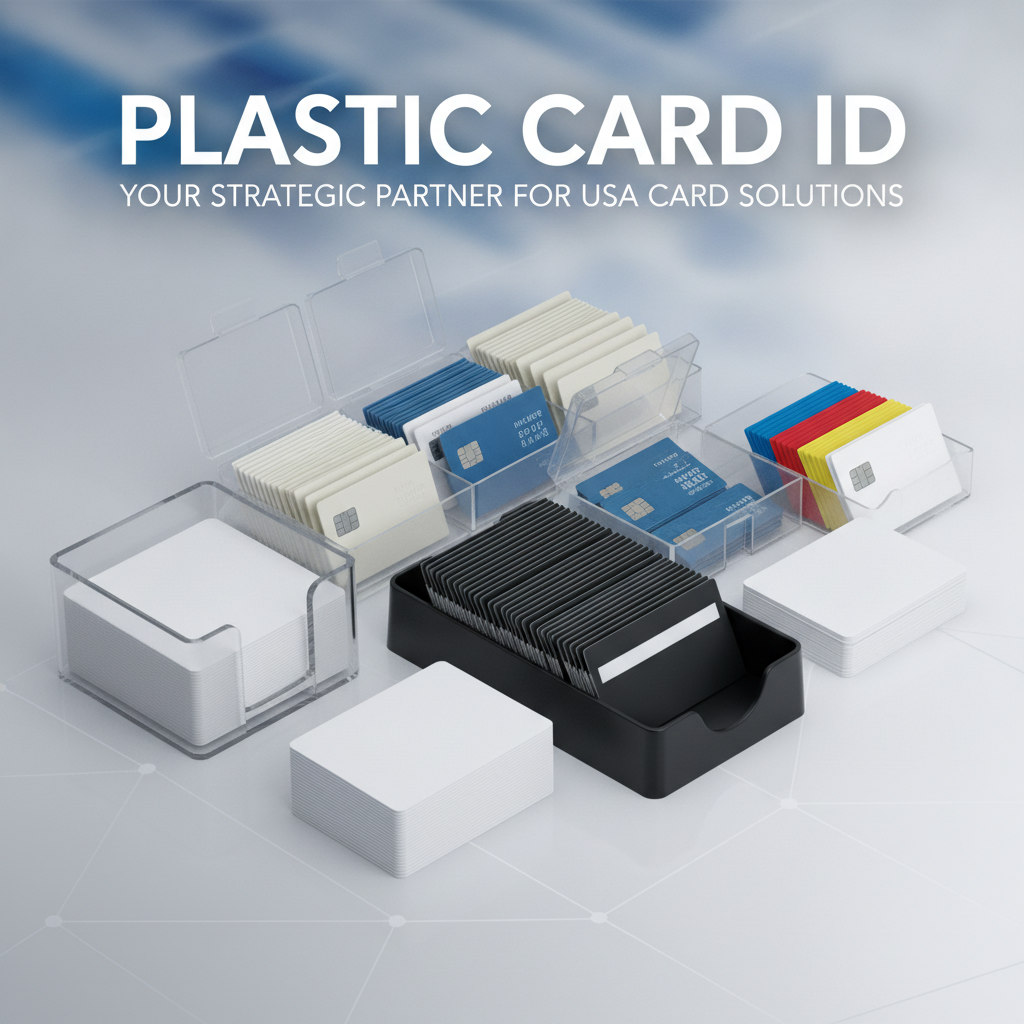 Not every operation has the same storage needs. A small nonprofit printing 50 membership cards a month has different logistics than a hotel chain managing ongoing key card inventory across multiple properties. Matching your storage approach to your actual volume and card variety is how you avoid both waste and headaches. Here is how to think about it at different scales.
For low-volume operations, the original manufacturer packaging is often sufficient as long as it is stored in the right conditions. For mid to high volume programs, dedicated card storage systems - from purpose-built card cabinets to anti-static bins with lids - are worth the modest investment. The goal is consistent conditions: same temperature, same humidity, same level of protection every time a card is pulled from inventory.
Low-Volume Storage: Simple and Smart
If you are printing fewer than 500 cards a month, your storage situation is relatively straightforward. Keep sealed packages flat in a desk drawer or cabinet away from exterior walls. Do not store them in a vehicle, near a window, above a radiator, or in a basement that gets damp seasonally. A simple plastic storage bin with a snap-close lid placed in an interior office space covers the basics perfectly.
Label your storage. It sounds obvious, but organizations with multiple card types - say, blank white PVC alongside a supply of HiCo magnetic stripe cards for a loyalty program - need clear labeling to avoid mixing inventory. Mixing card types in the same tray without identification leads to printing mistakes that are only discovered mid-run, which wastes both cards and ribbon.
For partial boxes, a resealable plastic bag works well as a secondary container. Squeeze out excess air before sealing. Place it back in the original box if possible - the cardboard provides an extra layer of insulation against temperature fluctuation and adds rigidity that protects cards from bending under the weight of other stored items.
Mid to High Volume Storage: Getting Systematic
When your program scales, so do the stakes. A printing operation going through thousands of cards monthly needs a more deliberate system. Dedicated shelving in a climate-controlled room is the standard setup at this level. Shelving should be wire or open-frame to allow air circulation - sealed metal shelving can trap heat and create microenvironments with elevated temperatures. Keep cards at least six inches off the floor to protect against any flooding or humidity that collects near ground level.
Invest in anti-static storage solutions for any RFID, smart chip, or magnetic stripe inventory. Anti-static bags and anti-static shelving liners are inexpensive and make a measurable difference for sensitive card types. Some organizations use anti-static foam sheets between card stacks in larger bins - this is particularly useful for smart chip cards where the chip area benefits from a buffer against physical pressure.
Implement a proper stock rotation system. Label incoming stock with the date received and pull from oldest inventory first. This is especially important if you operate seasonal card programs - a batch of cards ordered in summer and then ignored until winter will have been sitting in potentially variable conditions for months.
Specialty Card Storage: RFID, Smart Chip, and Clear Cards
Specialty cards deserve specialty attention. RFID and proximity cards - including those using MIFARE DESFire technology for contactless access control - should be stored away from sources of electromagnetic interference. This means no storage near large motors, transformers, or RF transmitters. Most office environments are fine, but it is worth a walk-around to identify any obvious EMF sources near your intended storage location.
Clear and frosted PVC cards are extraordinarily fingerprint-sensitive. The visual appeal that makes them so striking for VIP programs, luxury membership cards, and premium event credentials is precisely what makes them unforgiving about surface contamination. Store clear and frosted cards with interleaving sheets between stacks - purpose-made card interleaf paper or even plain white copy paper works as a buffer. Always handle with gloves.
Casino player cards, hotel key cards, and other high-throughput specialty formats benefit from professional-grade storage cabinets with humidity control. At that level of operation, the cost of a proper storage cabinet is negligible compared to the cost of reprinting thousands of degraded cards or dealing with encoding errors caused by compromised stripe or chip performance.
When to Contact CPE About Storage and Supply Questions
Our team at CPE has fielded every storage question imaginable over the years, and we genuinely enjoy helping clients optimize their card programs at every level of detail. If you are unsure whether a storage setup is appropriate for a specific card type you have ordered, reach out before problems develop rather than after. Proactive conversation saves cards, saves money, and saves the frustration of a failed print run.
To speak with a card program specialist, call us at 800.835.7919. Whether you need guidance on storing a new order of HiCo magnetic stripe cards or you want to talk through best practices for a multi-site organization managing diverse card inventory, we are here to help you get it right.
Common Mistakes That Ruin Blank Cards Before They Are Ever Printed
Experience teaches hard lessons. After supplying cards to over 100,000 customers, Plastic Card ID has a clear picture of where storage goes wrong most often. The good news is that every one of these mistakes is preventable. The bad news is they are all surprisingly common, even among organizations that are otherwise sophisticated about their card programs.

Awareness is protection here. Knowing what to avoid is half the battle, and the other half is the simple discipline of applying what you know consistently - not just when you first set up your storage area, but every time new inventory arrives and every time conditions in your storage space change seasonally or due to facility renovations, moves, or HVAC issues.
Temperature Extremes and What They Actually Do to PVC
PVC cards left in a hot car - even briefly during a summer delivery - can develop a permanent warp. The material softens at elevated temperatures and then cools into whatever shape it was resting in. A stack of cards left on a car seat or in a delivery van on a 90-degree day can arrive at your printer unable to feed properly, wasting the entire batch. Never leave cards in a vehicle for more than the time it takes to carry them inside.
Cold extremes are less damaging to the card substrate itself but create a condensation problem. Cards moved from a cold storage area (or a cold delivery truck) directly into a warm office environment will experience surface condensation - essentially, the cards sweat. Printing on cards with surface moisture causes ribbon transfer failures and adhesion issues. Allow cold-stored cards to acclimate to room temperature for at least 30 minutes before opening the packaging.
The acclimation step is one of the most overlooked and most impactful storage-to-printing transitions you can manage. It costs nothing except a small amount of time, and it consistently improves print quality for operators who implement it. Write it into your printing process as a standard step, not an occasional consideration.
Static Electricity: The Invisible Card Killer
Static charge is invisible, which is part of why it catches people off guard. In dry office environments - particularly during winter months when indoor air becomes extremely dry due to heating systems - PVC cards stored in open trays can develop significant static charge. That charge attracts airborne dust and particles that then become bonded to the card surface. When you print over those particles, you get specks, voids, and surface irregularities in your final image.
- Run a card cleaning cycle through your printer before beginning any new print batch.
- Use an anti-static cleaning cloth to wipe card surfaces before loading the hopper.
- Fan the card stack gently to discharge surface static before loading.
- Consider a small desktop humidifier near your print station during dry winter months.
- Store open inventory in sealed containers rather than open trays to minimize static accumulation.
These steps are individually small but cumulatively powerful. Organizations that institutionalize them as standard operating procedures consistently produce cleaner, sharper card output than those that treat card prep as optional. Static management is a discipline, not a one-time fix.
Stacking, Weight, and Physical Deformation
Heavy items placed on top of card boxes will bow the cards inside, especially if the pressure is uneven. This is particularly damaging for smart chip cards, where physical deformation of the chip area can cause cracking or chip failure during encoding. Never stack heavy boxes or equipment on top of card inventory. Dedicate a shelf or drawer exclusively to card storage where nothing else will be placed on top.
Rubber bands are another common culprit. Wrapping rubber bands tightly around a card stack for "organization" creates pressure lines across the cards - lines that show up as faint ridges in printed areas and can cause feed problems in some printer models. Use card sleeves, card carriers, or the original packaging to keep stacks organized and intact without applying lateral pressure.
Buyer Tips: Ordering Blank Cards With Storage in Mind
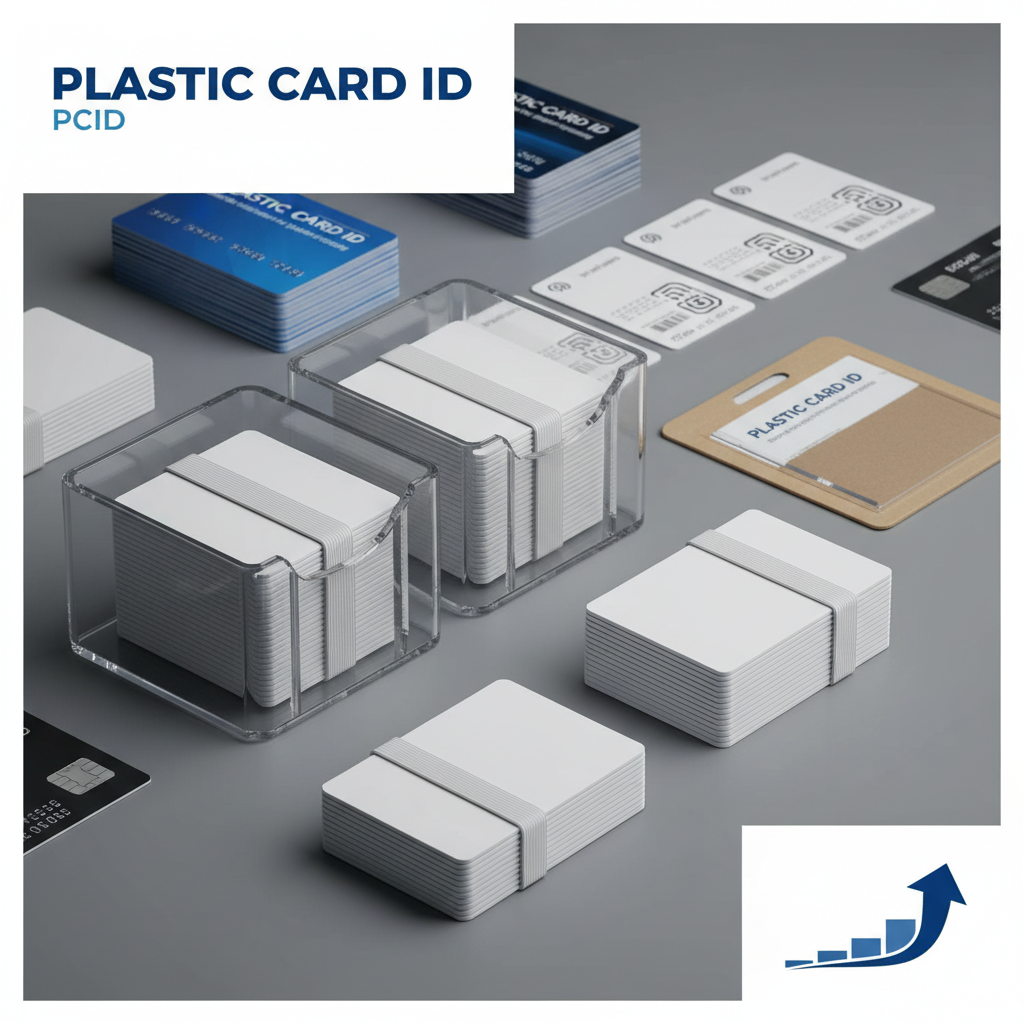 How you buy influences how well you can store. Buying in quantities that match your realistic consumption rate is the first principle of smart card inventory management. Buying ten times your monthly need to capture a per-card price break sounds attractive until those cards spend two years deteriorating in suboptimal storage conditions. The math changes quickly when you factor in waste.
At Plastic Card ID, we work with clients across the entire volume spectrum to identify the right order frequency and quantity for their specific programs. The goal is always the best long-term cost and performance outcome - not just the lowest price on a single order. That is the strategic partner difference.
Matching Order Quantities to Storage Capacity
Before placing a large order, do a honest assessment of your storage space. Do you have a consistently climate-controlled area sufficient for the full quantity? Can you maintain proper conditions for the full expected shelf life of that inventory? If the answer to either question is uncertain, consider ordering in smaller, more frequent batches rather than one large annual order. The best price per card is meaningless if 20% of the inventory is degraded before it is ever printed.
For organizations with genuinely good storage conditions and consistent demand, volume ordering makes excellent sense. Blank PVC cards have a long shelf life - typically two years or more when stored correctly - so buying a six-month or twelve-month supply at a time is both practical and economically smart. Establish your storage conditions first, then optimize your order quantity.
Talk to CPE about your specific situation. We have helped clients set up card programs at every scale, and we can help you find the balance between per-card cost efficiency and manageable inventory management. Every program is different, and cookie-cutter advice rarely serves anyone well.
Accessories That Support Proper Storage
Beyond the cards themselves, a well-run card program benefits from the right supporting accessories. Card sleeves protect issued cards from surface damage and extend their useful life in wallets and badge holders. Card carriers facilitate professional distribution and protect cards during mailing. Cleaning kits maintain printer performance so that properly stored cards are not undermined by a dirty printer feeding them. These accessories are not optional extras - they are functional elements of a complete card program.
Plastic Card ID supplies the full range of card accessories alongside our card and printer catalog. From printer ribbons compatible with Evolis, Zebra, and Fargo systems to cleaning kits, card sleeves, and mailing supplies, everything you need to run a seamless program is available in one place. That one-stop convenience is not accidental - it reflects how we think about supporting our clients through every step of their card operations.
Frequently Asked Questions About Storing Blank Plastic Cards
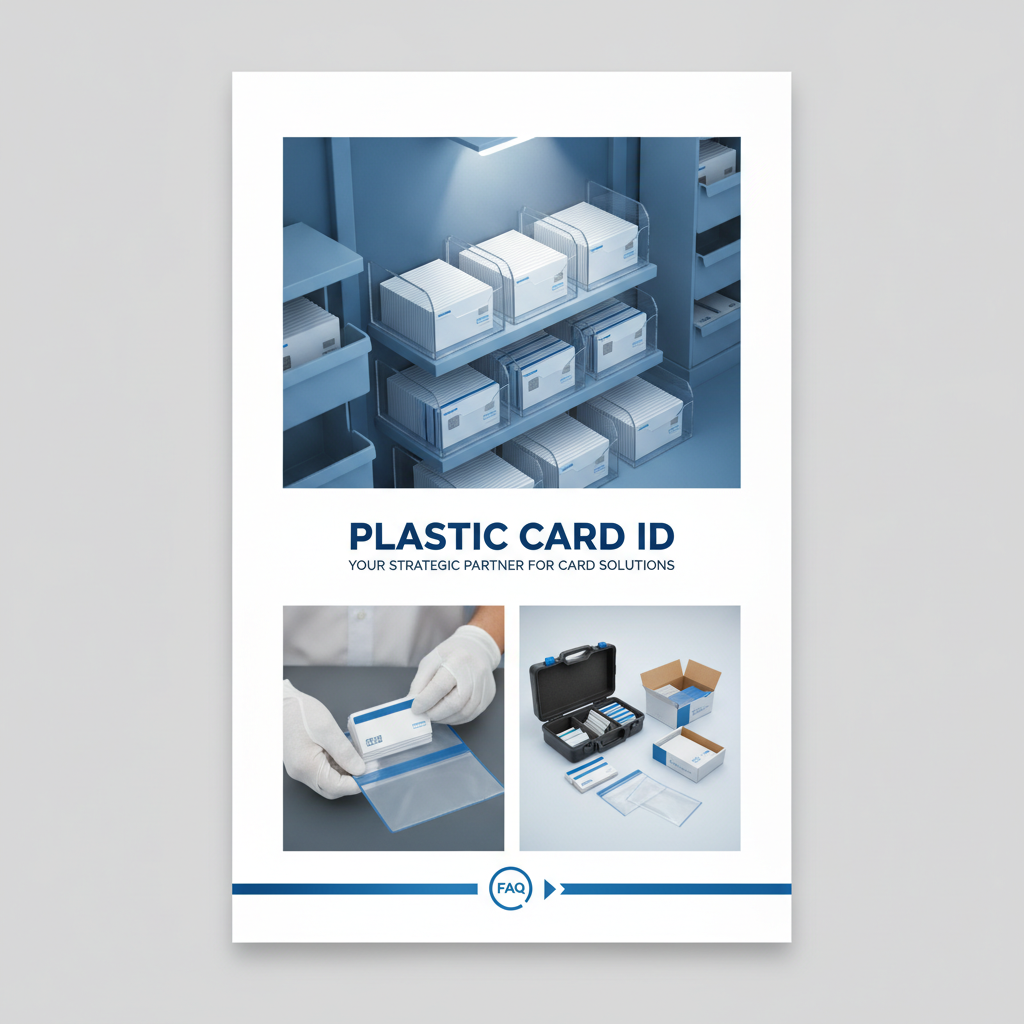 Even experienced card program operators sometimes have questions about storage edge cases. The following reflects the most common questions our team receives, drawn from real conversations with clients across industries - retail, hospitality, healthcare, event management, access control, and more.
How Long Can Blank PVC Cards Be Stored?
Under ideal conditions - temperature between 60-75F, humidity 40-60%, sealed packaging, away from light and magnets - blank PVC cards can be stored for two years or more without meaningful degradation. The enemy is not time alone but time combined with poor conditions. A card stored well for three years will often outperform a card stored poorly for three months.
Magnetic stripe cards have the same general shelf life but should be regarded with extra attention if stored for more than twelve months. High-coercivity (HiCo) stripes are more resistant to environmental magnetic degradation than low-coercivity (LoCo) stripes, which is one reason HiCo is the standard recommendation for most loyalty, membership, and access applications where longevity matters.
Can I Refrigerate Plastic Cards to Extend Their Shelf Life?
No. Refrigeration introduces a serious condensation risk and is entirely unnecessary for PVC cards stored under normal conditions. The goal is stable conditions, not cold ones. A refrigerator cycles humidity as it cools, which is the opposite of the stable environment cards need. Room temperature, controlled humidity, and darkness are all you need for excellent long-term card storage.
This is a question we hear occasionally from clients who have experience storing sensitive electronics or materials in cold environments. PVC cards are robust enough that extraordinary preservation measures are unnecessary and can actually introduce new problems. Keep it simple: stable, moderate, dark, and sealed.
What If My Cards Arrived Warped From Storage or Shipping?
If cards arrive warped, the most likely cause is exposure to heat during shipping - particularly during summer months when delivery vehicles can reach very high interior temperatures. Contact CPE immediately if cards arrive in unsatisfactory condition. We stand behind our products and work to make things right when issues occur.
Mildly warped cards stored in a cool, flat, weighted environment sometimes recover partially over 24-48 hours, but significantly warped cards should not be fed into a printer as they will cause jams and potentially damage the printer feed mechanism. Prevention through proper receiving inspection and immediate proper storage is far preferable to attempting to rehabilitate warped inventory after the fact.
Put Better Card Storage Into Practice With Plastic Card ID
The gap between a card program that runs smoothly and one that generates constant small frustrations is often nothing more than a handful of storage habits applied consistently. Proper storage is one of the highest-return investments you can make in the performance of your card program - it requires almost no budget, just a bit of knowledge and discipline. Now you have both.
Plastic Card ID has spent over 25 years building partnerships with businesses across the United States, helping them run card programs that deliver real, measurable results. From blank CR80 PVC cards to specialty RFID and smart chip cards, from card printers by Evolis, Zebra, and Fargo to the full range of accessories your program needs, we are your complete source. Every card we sell is backed by the knowledge and support of a team that genuinely wants your program to succeed.
Ready to get started, reorder your supply, or ask about the right card type and storage approach for your specific program? Call Plastic Card ID today at 800.835.7919 and speak with a specialist who knows cards inside and out. We are here, we know this business, and we are ready to help you get every last bit of performance from your card investment.
Previous Page