Shipping Blank Plastic Cards: What to Expect from Your Order
Table of Contents []
- Shipping Blank Plastic Cards: What Plastic Card ID Wants You to Know Before Your Order Arrives
- Understanding the Cards Themselves: Specs That Actually Matter When Shipping Blank Plastic Cards
- Your First Print Run After Receiving Blank Cards
- Quantities, Reorders, and Building a Sustainable Card Supply
- Common Questions About Shipping Blank Plastic Cards
- Value-Added Services That Complete Your Card Program
- Why Businesses Across the USA Choose Plastic Card ID for Their Blank Card Programs
Shipping Blank Plastic Cards: What Plastic Card ID Wants You to Know Before Your Order Arrives
 Most people think ordering plastic cards is the hard part. Pick a quantity, click checkout, done. But then the box shows up - and suddenly there are questions. Why does this card feel different from that one? What does "HiCo" mean on the packing slip? Is this scratch on the surface a defect or just static cling from the bag? Knowing what to expect when your blank plastic cards ship makes the entire receiving process faster, smarter, and a lot less stressful.
At Plastic Card ID, we have shipped over 50 million cards to more than 100,000 businesses across the United States. That kind of volume teaches you something: the customers who have the smoothest experience are the ones who understand what they ordered before the package lands on their desk. This page is your complete guide - from how cards are packaged to how they perform in your printer on day one.
How Blank Cards Are Packaged for Safe Transit
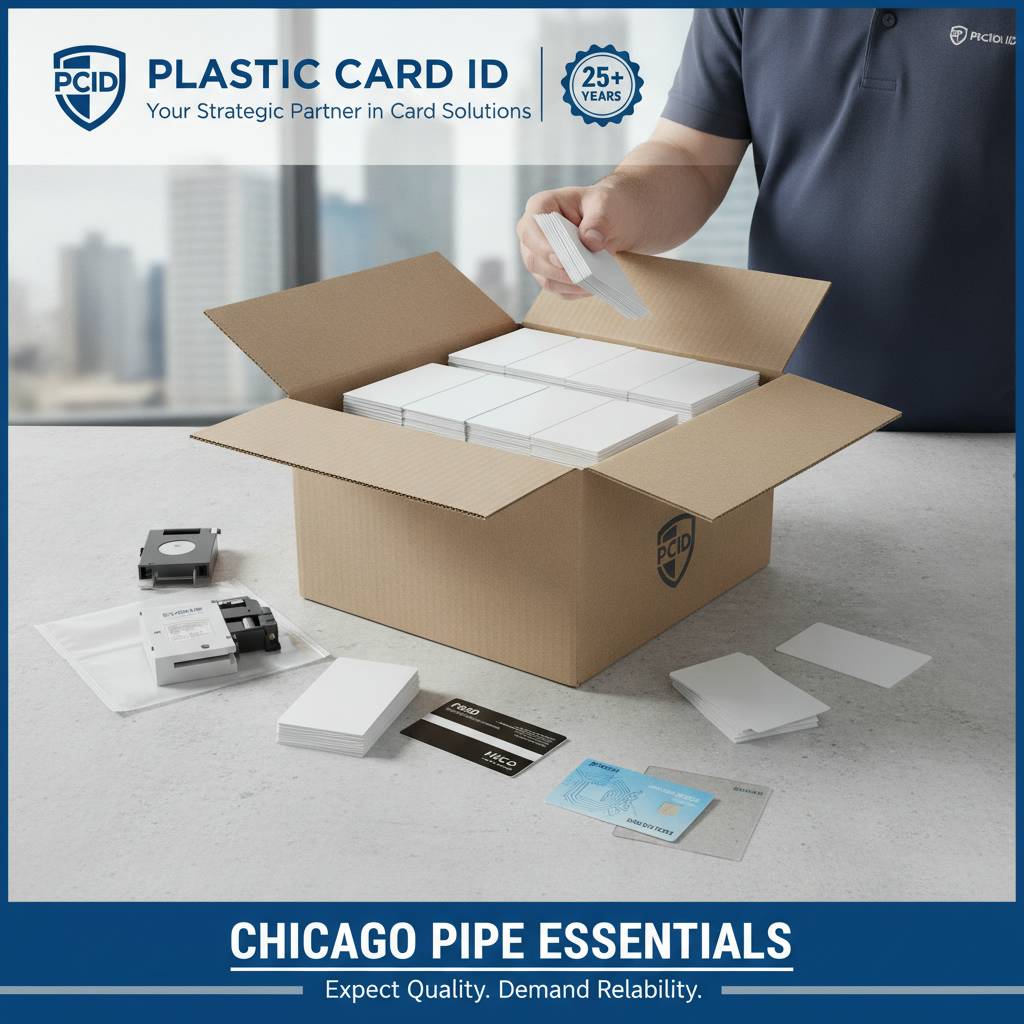
Blank CR80 PVC cards are typically shipped in sealed poly bags, bundled in increments of 100 or 500, then boxed in corrugated cardboard designed to prevent corner damage during handling. Every layer of packaging matters because a bent card corner can cause feed jams in card printers - even one compromised card in a stack can disrupt a high-volume print run.
Heavier orders - say, 1,000 cards or more - are often stacked in horizontal trays inside the master carton. This keeps pressure distributed evenly across the card faces rather than concentrating stress at edges. When you unbox your order, you will notice the cards are oriented face-to-face or back-to-back depending on the card type, which is intentional and keeps printable surfaces free of scuffing.
Expected Transit Times and What Can Affect Them
Standard ground shipping from Plastic Card ID reaches most of the continental U.S. in 3-7 business days. Expedited options are available if your program launch has a hard deadline. Weather events, carrier volume surges during the holiday season, and address discrepancies are the most common causes of delays - none of which have anything to do with the cards themselves.
One thing worth noting: blank cards ship faster than custom-printed cards because there is no production queue. If your timeline is tight and you plan to print in-house using your own card printer, ordering blank stock is almost always the quickest path from order to badge in hand. That speed advantage is one reason so many organizations invest in their own printing setup.
Reaching Us About Your Shipment
If your tracking number shows delivered but nothing has arrived, or if the outer box shows obvious damage, contact Plastic Card ID immediately. Our team is equipped to resolve shipping discrepancies quickly and can coordinate with carriers on your behalf. Reach us at 800.835.7919 and have your order number ready - it speeds up every step of the process.
Documentation matters in freight claims. If a box arrives visibly crushed or wet, take photos before opening it. Note the condition on the carrier's delivery receipt if possible. This protects you and helps us resolve the issue without unnecessary back-and-forth.
| Card Type | Common Use | Typical Min Order | Notes |
|---|---|---|---|
| Blank CR80 White PVC | ID, loyalty, membership | 100 cards | Standard 30 mil, ISO 7810 |
| HiCo Magnetic Stripe | Gift cards, access, hotel keys | 100 cards | 2750 Oe, longer data retention |
| LoCo Magnetic Stripe | Short-term use applications | 100 cards | 300 Oe, lower field strength |
| Proximity / RFID | Access control, contactless ID | 50 cards | 125kHz or 13.56MHz options |
| Clear / Frosted PVC | Premium branding, VIP cards | 100 cards | Specialty stock, unique visual effect |
Understanding the Cards Themselves: Specs That Actually Matter When Shipping Blank Plastic Cards
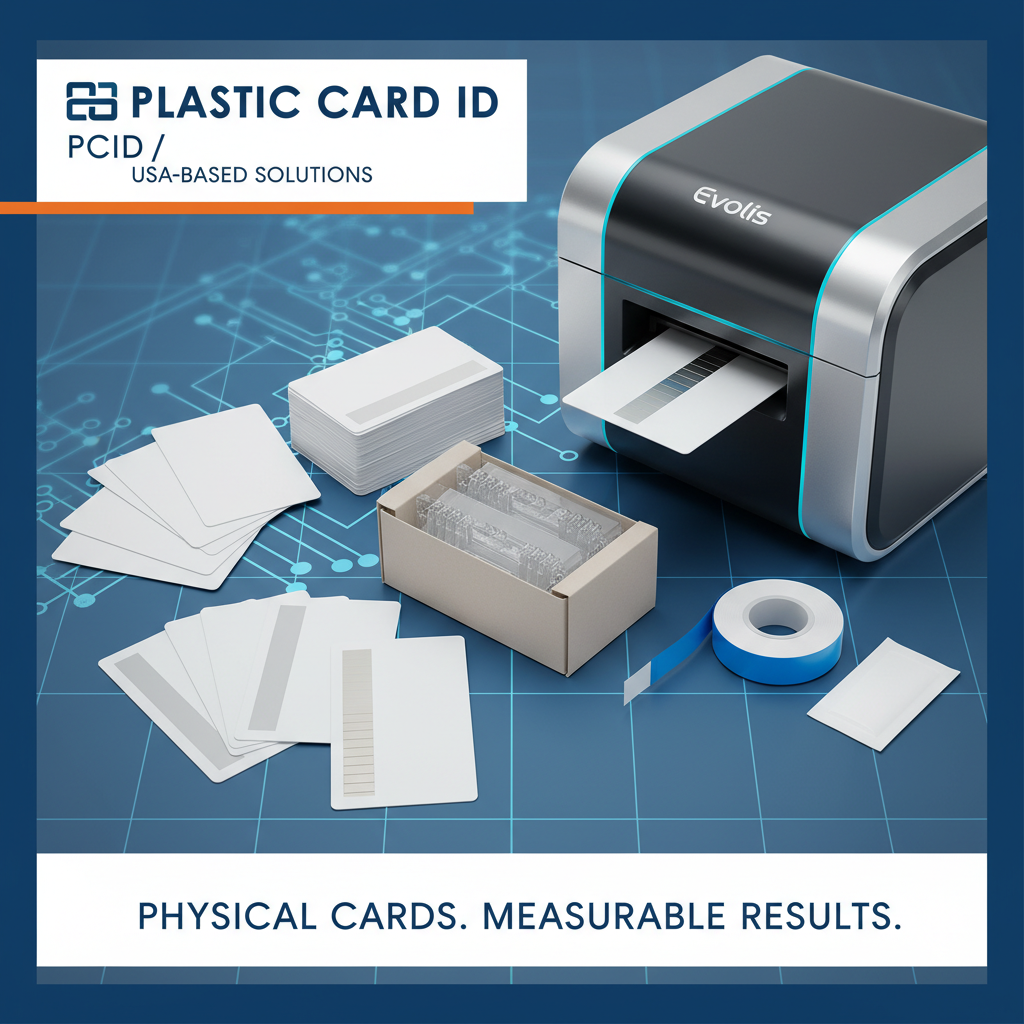 A blank plastic card is not just a blank plastic card. The term covers an entire spectrum of substrates, thicknesses, magnetic stripe coercivities, chip configurations, and surface finishes. When your shipment arrives, understanding what you received helps you load your printer correctly, encode properly, and avoid costly misprints or encoding errors.
The standard CR80 size - 3.375 by 2.125 inches at 30 mil thickness - is what virtually every card printer on the market is designed to accept. If you ordered something outside that spec, like a thicker 40 mil card or a non-standard size, your printer settings will need to be adjusted accordingly. CPE recommends reviewing your printer's technical specifications before loading any new card stock for the first time.
HiCo vs. LoCo: Why the Stripe Type in Your Box Matters
High coercivity (HiCo) magnetic stripe cards operate at 2750 Oersteds of magnetic field strength, which means the data encoded on them is far more resistant to accidental erasure from everyday magnetic interference - like passing near another card, a phone, or a magnetic clasp on a bag. HiCo cards are the right choice for most business applications where cards are used repeatedly over weeks or months.
Low coercivity (LoCo) cards, at 300 Oe, are easier to encode with basic equipment and cost slightly less per unit. They are appropriate for short-term applications - event wristband alternatives, temporary visitor passes, or single-day hotel-style situations. The stripe on an LoCo card can be identified visually: it has a brown appearance rather than the black stripe of an HiCo card. If you are unsure which type arrived, that color difference is your quickest check.
RFID and Smart Chip Cards: Opening the Box on Contactless Technology
Proximity cards and RFID cards look nearly identical to blank PVC cards on the surface. What you cannot see is the embedded antenna and chip inside the laminate layers. Handle these cards the same way you would any other PVC card - they do not require special storage conditions - but be aware that they cannot be printed using standard dye-sublimation thermal transfer unless the card face is specifically designed for overprinting.
MIFARE DESFire cards and other smart chip options ship with no pre-loaded data unless custom encoding was part of your order. Your access control software or card management system is responsible for writing the initial credentials. If you ordered blank RFID cards expecting them to work straight out of the box with your existing readers, confirm compatibility with your system administrator before attempting to enroll them.
Clear, Frosted, and Colored Card Stock: Visual Verification at Unboxing
Clear and frosted PVC cards can look surprisingly similar in low light or in a poly bag. Hold them against a light source: a clear card will show strong light transmission while a frosted card diffuses it, creating that characteristic matte, milky appearance. Both are legitimate specialty stocks - just make sure you received the one you ordered before loading your printer.
Colored PVC stock - whether red, blue, green, black, or any other standard color - ships the same way as white cards but requires specific printer ribbon configurations to achieve crisp color-on-color printing results. The base card color becomes part of your design, so verify the stock color in natural light before printing a full batch. Artificial lighting can make gold-tinted cards look white and dark navy look black.
Your First Print Run After Receiving Blank Cards
The box is open, the cards look good, and now comes the moment of truth: loading them into your card printer. The first print run after a new card shipment is your quality benchmark. Print five to ten test cards before committing to a full production run. This catches printer calibration issues, ribbon alignment problems, and any batch-specific surface variations before they multiply across hundreds of cards.
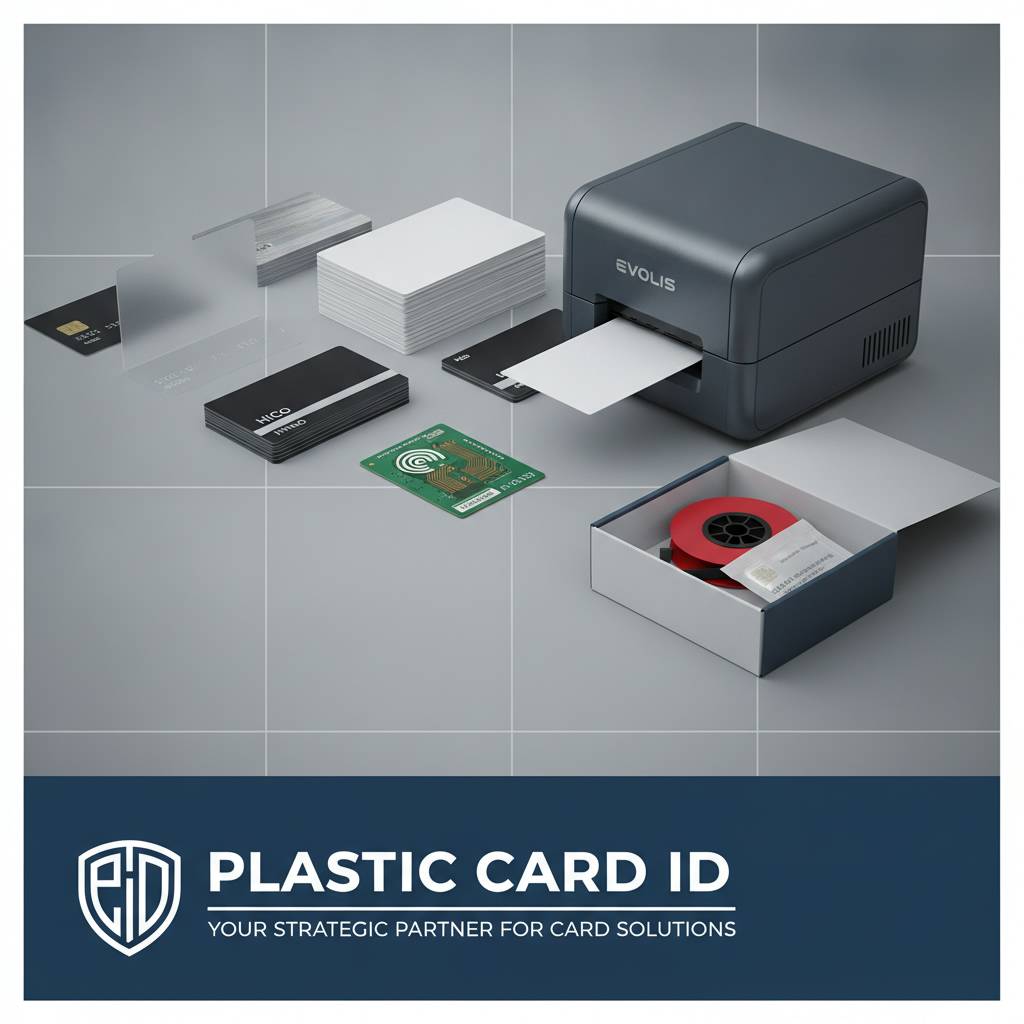
Card printers from Evolis, Zebra, and Fargo - the major brands available through Plastic Card ID - each have their own card thickness tolerances and feeder configurations. An Evolis Primacy 2, for example, handles cards from 10 mil to 40 mil but defaults to 30 mil. If you recently switched card suppliers or card types, a quick settings check in the printer driver takes less than two minutes and can save a full ribbon.
Printer Ribbon Compatibility and Why Blank Card Quality Affects Print Results
The surface quality of your blank card stock directly impacts how well a dye-sublimation printer ribbon lays down color. Low-quality PVC cards with surface contamination or inconsistent smoothness produce banding, color bleeding, and dull output - problems that often get blamed on the ribbon when the card itself is the root cause. Professional-grade blank cards like those supplied by CPE are manufactured to tight surface tolerance standards.
YMCKO and YMCKT ribbons - the full-color plus overlay and transfer film variants - require a clean, receptive card surface to transfer correctly. If you notice streaking or patchiness on your first test cards, try wiping the card surface gently with a lint-free cloth before printing. If the issue persists across multiple cards, run a printer cleaning cycle using the cleaning cards and swabs included in cleaning kit accessories available from Plastic Card ID.
Encoding Magnetic Stripes on Arrival: What You Need Ready
If your blank cards include a magnetic stripe, encoding happens at the printer - not during card manufacturing. Your card printer must be equipped with a magnetic stripe encoding module (most mid-range and above card printers include this). The encoding process runs automatically during the print job when configured correctly in your card design software.
Before your first encoding session, confirm that your software is set to the correct coercivity - HiCo or LoCo - matching the cards you received. Encoding HiCo cards at LoCo field strength results in unreliable reads. Encoding LoCo cards at HiCo strength can damage the stripe. This one setting prevents the single most common magnetic stripe encoding complaint we hear from new card program operators.
Card Cleaning Before Printing: An Overlooked Step
Blank cards accumulate minor surface particles during packaging, transit, and handling. Running each card through a cleaning roller or using a short lint-free wipe before loading into the printer feeder dramatically reduces print defects, especially on clear and frosted stock where surface debris is most visible in the finished product.
Cleaning kits designed for card printers - sold separately or as part of maintenance bundles - include both the cleaning cards that run through the machine and the cleaning swabs for the print head and rollers. Using these on a regular schedule, not just when problems occur, extends printer life and keeps your card output consistent across every batch. Reach us at 800.835.7919 to add cleaning kit accessories to any order.
Quantities, Reorders, and Building a Sustainable Card Supply
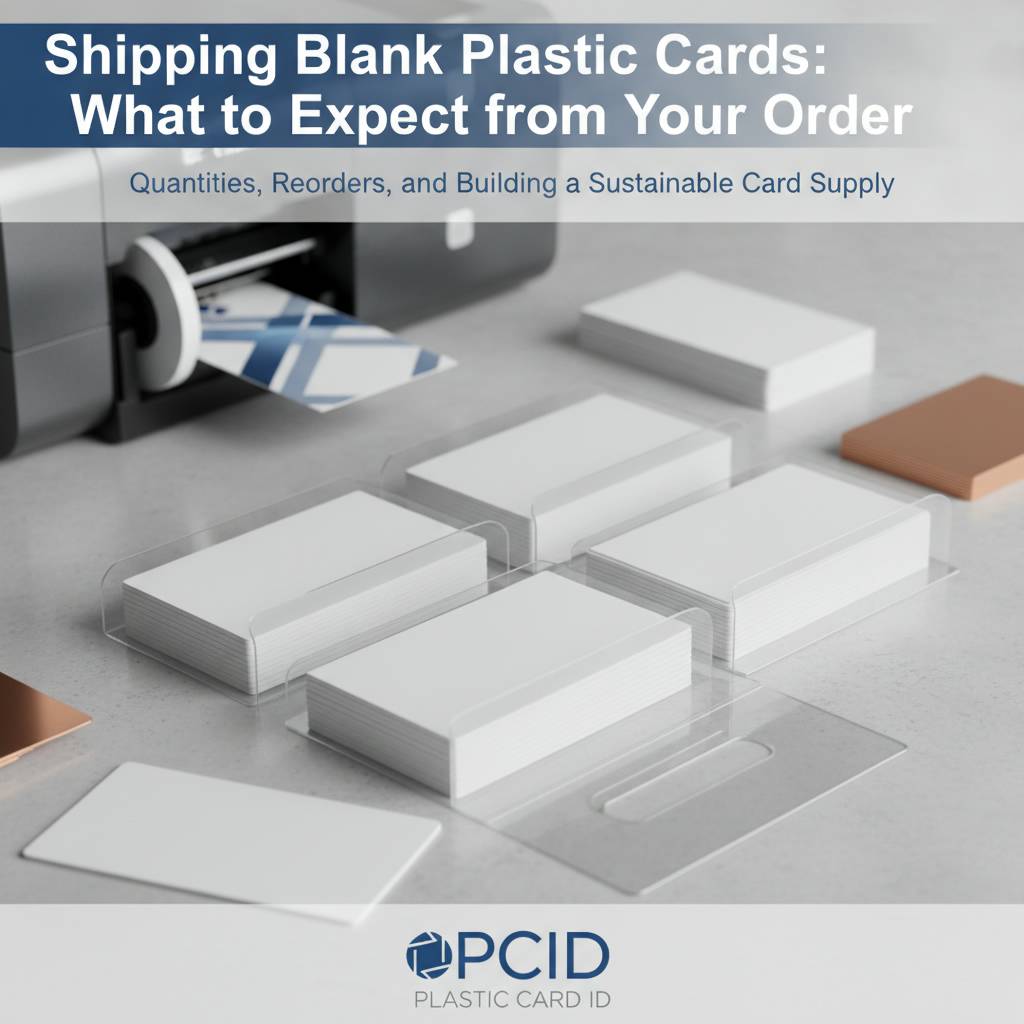 One of the most practical questions in any card program is: how many cards should I keep on hand? Order too few and you face gaps in your program - new hires waiting for badges, customers without loyalty cards at the register, event check-in lines stalling. Order too many and you are sitting on capital. Finding your reorder rhythm is one of the highest-leverage decisions in running a card program.
A general rule of thumb: maintain a 60-day supply buffer based on your average monthly consumption. If your retail location issues 200 loyalty cards per month, keep 400 in stock. This gives you a full reorder cycle without creating excess inventory that sits unused for quarters at a time. CPE customers who establish a reorder schedule - rather than panic-ordering after running out - consistently report lower per-card costs and zero program interruptions.
Scaling From Small Programs to High-Volume Production
Small organizations starting with 50-100 cards per month have the same access to Plastic Card ID's card catalog as enterprise customers running tens of thousands of cards per month. The economics shift significantly at volume, but the card quality and support do not. Pricing for blank CR80 white PVC cards, for example, can drop considerably when ordering in quantities of 1,000 or more versus smaller lots.
If your program is growing, that growth is worth planning around. An organization that jumps from 200 cards per month to 2,000 per month may find that investing in a faster card printer - a Zebra ZXP Series or a Fargo HDP model - pays back within two print cycles compared to running a smaller entry-level machine at maximum capacity every day.
Specialty and Advanced Card Types for Specific Program Needs
- Casino player cards - durable PVC construction with options for magnetic stripe or RFID encoding, designed to withstand daily handling in high-volume gaming environments
- Hotel key cards - typically HiCo magnetic stripe or RFID, compatible with major door lock systems, available in blank white or as custom-printed stock
- Metal cards - stainless steel, brass, and gold options for luxury membership programs, VIP tiers, or executive ID programs where the physical weight of the card communicates status
- Custom die-cut shapes - non-standard card shapes for marketing inserts, trade show giveaways, or brand-differentiation initiatives
- Proximity access cards - 125kHz cards compatible with the broadest range of access control readers, ideal for office buildings, gyms, and gated facilities
Common Questions About Shipping Blank Plastic Cards
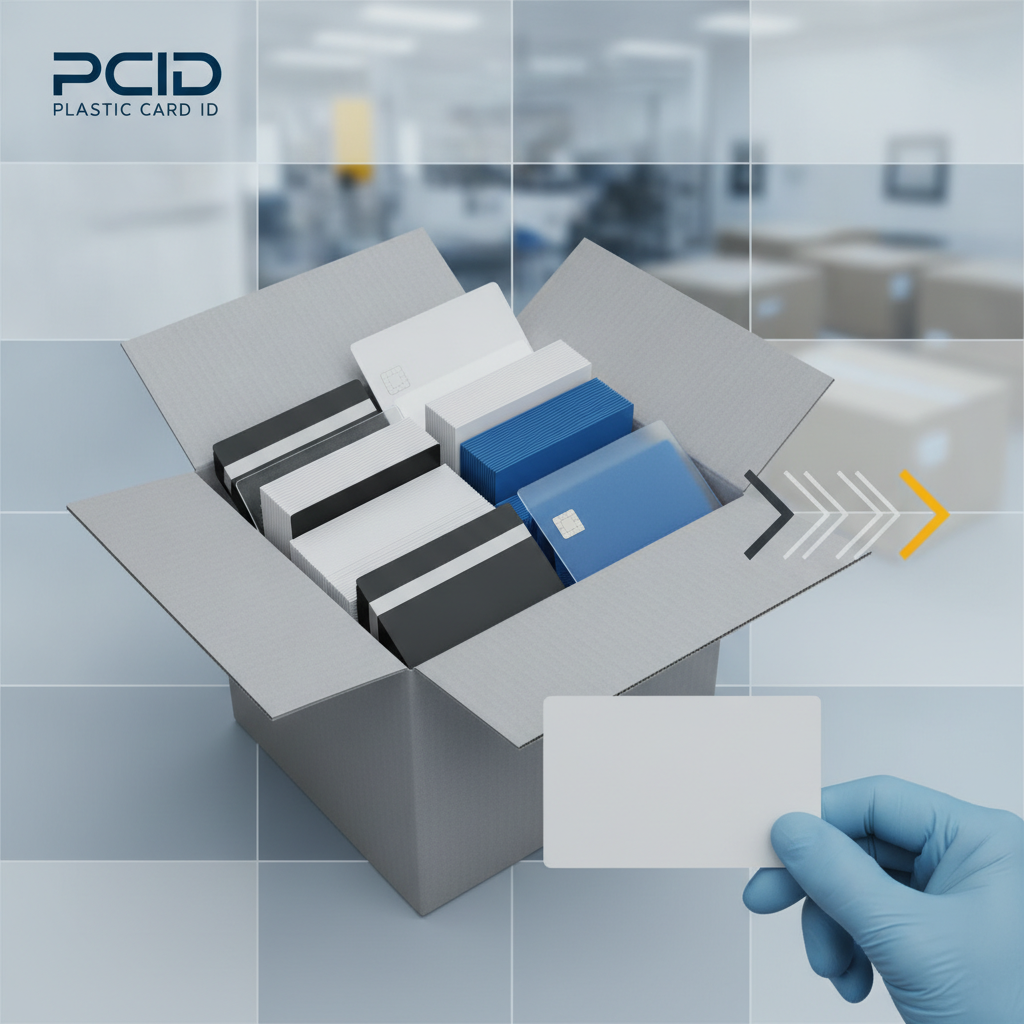 After 25 years and millions of shipments, certain questions come up again and again. Here are the most practical answers, organized for the people actually managing card programs - not just buying them.
What If My Cards Arrive with Visible Surface Marks?
Light surface scratches visible in raking light (angled light that makes everything look dramatic) are usually static-related packaging contact marks, not manufacturing defects. These typically disappear completely during the printing process as the heat and pressure of dye-sublimation re-smooth the surface. Test print a few of the marked cards before assuming the batch is defective.
True manufacturing defects - deep gouges, warped cards, visible contamination embedded in the card body - are rare but worth documenting with photos. Contact Plastic Card ID and we will evaluate and resolve the issue. We stand behind the quality of every card we ship and have straightforward processes for handling legitimate quality concerns.
Can I Return Unused Blank Cards?
Unopened cases of standard blank PVC cards in original packaging are generally returnable within the return window specified at the time of purchase. Custom orders - specialty colors, pre-encoded cards, die-cut shapes - may be subject to different return terms given the specificity of the order. When in doubt, call before placing a large order if your needs are uncertain.
The practical advice here: start with a smaller test order before committing to a large volume of a card type you have never used before. This is especially true for clear and frosted cards, which behave differently in some card printers and may require driver adjustments. Testing is always cheaper than returning a pallet.
How Should I Store Blank Cards Between Uses?
Blank PVC cards store best in a cool, dry environment away from direct sunlight and heat sources. Keep them in their original sealed packaging until ready for use. Exposure to heat above 120 degrees Fahrenheit can cause warping; humidity above 60 percent can introduce surface tackiness that causes feed problems in card printers. A standard climate-controlled office environment is perfectly adequate for storing blank card stock.
Avoid storing cards near magnetic sources - speakers, motors, certain industrial equipment - if your cards include magnetic stripes. While HiCo stripes are significantly more resistant to accidental erasure than LoCo, no magnetic stripe is impervious to prolonged exposure to strong fields. Keeping boxed cards in a supply closet rather than on top of a network server rack is simply good practice.
Value-Added Services That Complete Your Card Program
Blank cards are the foundation, but a successful card program involves more than just the cards. The difference between a card program that runs smoothly and one that constantly creates headaches often comes down to the accessories and services surrounding the cards themselves. Plastic Card ID supplies the complete ecosystem.

Printer ribbons - YMCKO, monochrome black, metallic, and custom configurations - are available for all major card printer brands. Ordering ribbons at the same time as cards ensures you are never waiting on supplies mid-production. Card carriers and sleeves protect finished cards during distribution and give printed cards a polished, professional presentation that reflects well on any organization.
Card Affixing and Mailing Services
For organizations that need to distribute cards to members, customers, or employees by mail, Plastic Card ID's card affixing and mailing services remove one of the most time-consuming steps in running a card program. Cards are affixed to carriers and mailed directly to recipients - bypassing the in-house labor of stuffing envelopes, addressing them, and running them through postage systems.
This service is particularly valuable for loyalty card rollouts, membership renewals, and new customer onboarding campaigns where the card needs to arrive looking polished and professional. A card arriving in a branded carrier mailer signals a level of organizational competence that a card handed across a counter in a paper envelope does not. First impressions from a physical card last.
Card Printer Selection and Support
Choosing the right card printer for your volume and card type is as important as choosing the right cards. Evolis printers are popular for small to mid-volume programs with intuitive software and compact footprints. Zebra printers are workhorses for mid to high-volume environments with strong durability records. Fargo printers, particularly the HDP series, produce exceptional print quality using retransfer technology that covers the entire card surface edge-to-edge.
Plastic Card ID sells and supports all three brands, and our team can help match a printer to your actual print volume, card type mix, and encoding requirements. Buying a printer from the same source as your cards means you are not troubleshooting compatibility issues between two vendors who each point at the other when something goes wrong.
Bulk Order Planning and Pricing Tiers
Ordering in bulk is one of the most straightforward ways to reduce per-card cost in any plastic card program. The price difference between ordering 100 cards and 1,000 cards of the same type can be significant enough to fund a printer upgrade within a year. Understanding the pricing tiers available through Plastic Card ID before placing each order helps program managers make smarter procurement decisions.
If your program runs recurring monthly volumes, ask about standing order arrangements that lock in pricing at volume tiers even if individual shipments are smaller. Strategic purchasing beats reactive purchasing every time - and CPE is set up to work with businesses of any size to find the arrangement that makes the most financial sense for their specific program scale.
Why Businesses Across the USA Choose Plastic Card ID for Their Blank Card Programs
 The numbers tell part of the story: 25-plus years in business, over 100,000 customers served, more than 50 million cards shipped to businesses across every state. But the more meaningful part of the story is what those numbers represent - organizations that trusted Plastic Card ID with programs they depend on, from small nonprofit membership programs to national retail loyalty rollouts to high-security access control installations.
We operate as a strategic partner, not just a card vendor. That distinction shapes everything from how we answer the phone to how we handle a batch that ships wrong to how we help a growing customer think through the next stage of their card program. When your card program grows, we grow with it. When you hit a shipping question or a technical snag, you reach a person who knows cards - not a general customer service queue.
The Measurable Impact of Switching to Plastic Cards
Retailers who transition from paper gift certificates to plastic gift cards routinely see sales increases in the 35-50 percent range. The reasons are not mysterious: plastic cards are kept longer, lost less often, and perceived as carrying more real value than a piece of paper. A plastic card in a wallet is a recurring advertisement for your brand every time a customer opens it - something paper can never replicate.
Loyalty programs running plastic cards consistently outperform paper punch card programs on redemption rates and customer retention. Membership cards in plastic signal permanence and legitimacy that paper badges cannot achieve. Employee ID badges in CR80 PVC look professional from day one and hold up through daily use for years. These are not marginal differences; they are program-level performance differences that show up in revenue and retention metrics.
Serving Every Scale and Industry
From a yoga studio issuing 50 membership cards per month to a casino managing thousands of player cards per week, the card programs Plastic Card ID supports span virtually every industry and scale in the United States. Hotels, gyms, schools, corporations, government agencies, nonprofits, event organizers, retailers - all of them have card programs, and all of them benefit from working with a supplier that understands the nuances of their specific application.
No two card programs are identical. A school district's student ID program has different card, printer, and encoding requirements than a boutique hotel's key card program or a corporate office building's access control system. Plastic Card ID has seen every combination and can help configure the right card, the right printer, and the right accessories for whatever program you are running or planning to launch.
Ready to Start or Expand Your Card Program?
Whether you are ordering blank cards for the first time or looking to streamline a high-volume program that has been running for years, the path forward is straightforward. Browse the complete catalog, confirm your card type and quantity, and place your order knowing that one of the most experienced card suppliers in the country is handling your shipment with 25 years of operational precision behind it.
Call Plastic Card ID today at 800.835.7919 to speak with a card program specialist. We will help you choose the right blank cards, the right accessories, and the right printer for exactly what your program needs.
From first shipment to full-scale rollout, Plastic Card ID is the partner that keeps your card program moving. Reach us at 800.835.7919 and let's build something that lasts.
Previous Page