How Holographic Overlaminates Protect Plastic Cards from Fraud
Table of Contents []
- Why Holographic Overlaminates Are the Quiet Guardians of Your Plastic Cards - Plastic Card ID
- The Science Behind the Shimmer
- Physical Protection: What Overlaminates Actually Defend Against
- Which Card Programs Benefit Most from Holographic Overlaminates
- Printer and Overlaminate Compatibility: What Buyers Need to Know
- Building a Complete Card Program Around Holographic Protection
- Take the Next Step with Plastic Card ID
Why Holographic Overlaminates Are the Quiet Guardians of Your Plastic Cards - Plastic Card ID
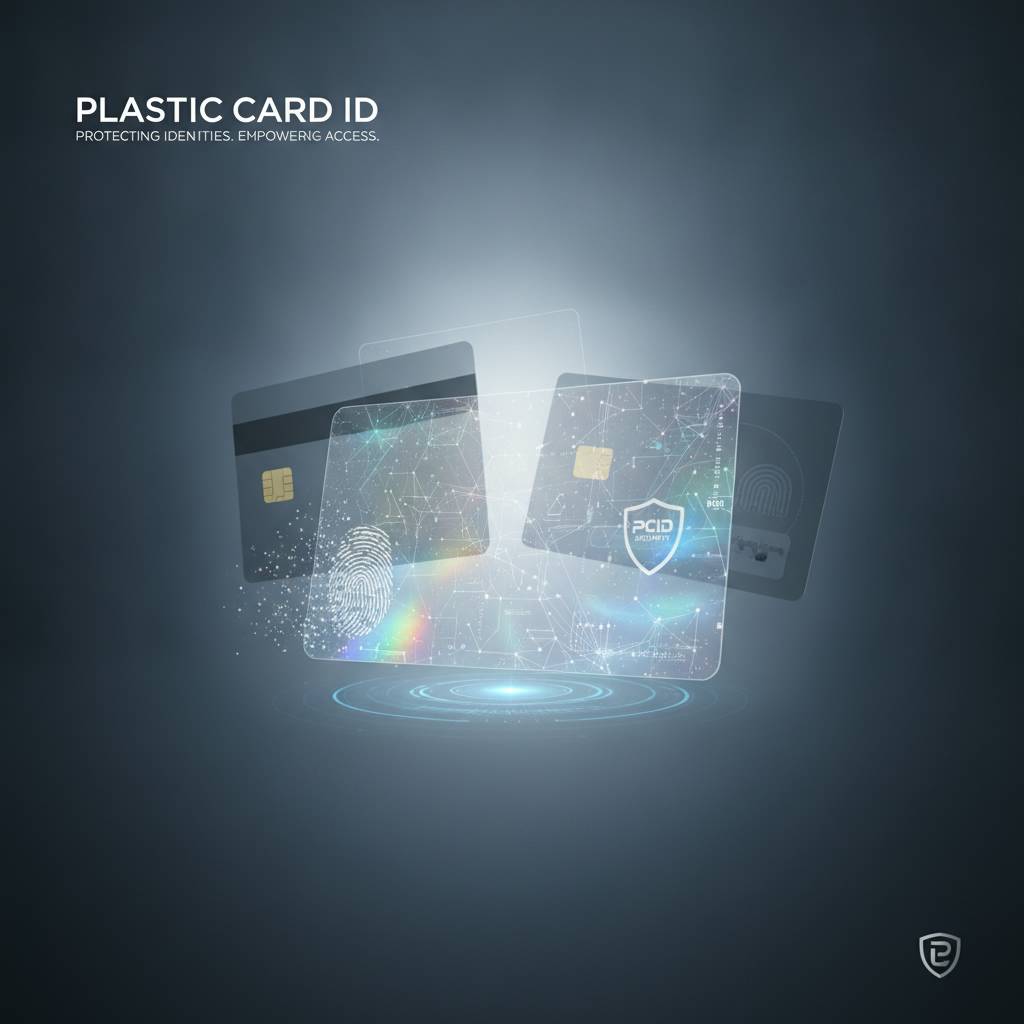 There is a moment every card program manager dreads: someone hands over a membership card, a loyalty card, or an employee ID and the printed surface is scratched beyond recognition, or worse, the card has clearly been tampered with. Holographic overlaminates exist precisely to prevent that moment. They are thin, optically engineered films bonded to the surface of a finished plastic card, and they do far more than add a shiny flourish.
Understanding how these films work, when to use them, and which card types benefit most from them is the kind of knowledge that separates a well-run card program from one that creates constant headaches. This page covers the full picture - from the physics of holographic light diffraction to real-world program decisions your team can act on today.
| Overlaminate Type | Security Level | Common Application | Finish |
|---|---|---|---|
| Standard Clear | Basic | General ID, loyalty cards | Gloss or matte |
| Holographic Pattern | Intermediate | Membership, gift, event cards | Reflective iridescent |
| Custom Holographic | High | Employee ID, casino, hotel key | Brand-specific shimmer |
| Secure Void Hologram | Very High | Access control, government ID | Tamper-evident pattern |
The Science Behind the Shimmer
 A holographic overlaminate is not simply a sticker with rainbow coloring. It is a precisely engineered film constructed using interference patterns recorded in a photosensitive layer - patterns that diffract light at specific angles, producing the characteristic color-shifting, depth-rich visual effect. That visual complexity is actually the security feature itself. Reproducing it requires specialized equipment that counterfeiters and casual forgers simply do not have access to.
The film is applied over the printed card surface using heat and pressure during the lamination stage of card production. Once bonded, it becomes an integral part of the card structure rather than a peel-away coating. This is critical. A properly applied holographic overlaminate cannot be removed without visibly destroying the card surface beneath it, which is exactly the deterrent it is designed to create.
How Light Diffraction Creates Security
Diffraction gratings inside the holographic layer split incoming white light into its component wavelengths, each bending at a slightly different angle. The result is a shimmering, angle-dependent color display that shifts as the card moves. No two viewing angles produce the same image, making static photographic reproduction nearly impossible for would-be forgers.
This optical behavior is deeply tied to the precise spacing and depth of microscopic grooves embedded in the film during manufacturing. Changing those grooves even slightly alters the entire visual output. Counterfeit attempts that use flat printing or standard foil simply fail to replicate this behavior under close inspection, making trained staff and card readers alike able to spot fakes immediately.
The Adhesion Layer and Card Integration
Beneath the holographic optical layer sits a thermally activated adhesive. During lamination, this adhesive melts just enough to bond with the printed PVC surface below, creating what engineers call a cohesive laminate stack - the card essentially becomes one unified object rather than a card with something attached to it.
This integration matters because it eliminates the delamination risk that simpler protective films suffer over time. In high-use environments - think retail checkout counters, gym entrances, or hotel corridors - a card that delaminate after three months is a program failure. Holographic overlaminates bonded this way routinely survive hundreds of daily swipes and taps without separation or edge lifting.
Thickness, Flexibility, and ISO Compliance
Standard holographic overlaminate films used in CR80-format cards are designed to maintain the card's overall ISO 7810 thickness of 30 mil (0.76 mm). The overlaminate itself is typically in the 0.5 to 1 mil range - thin enough to keep the card within spec, yet thick enough to provide meaningful abrasion resistance that extends the card's legible lifespan significantly.
Flexibility is preserved because the film is designed to match the elastic modulus of the PVC substrate. Cards routinely flex during everyday use - being removed from wallets, bent slightly in pockets, or pressed against badge readers. A brittle overlaminate would crack under these conditions. Holographic films engineered for card use maintain their integrity through thousands of flex cycles, which is a benchmark that matters enormously in real-world programs.
Physical Protection: What Overlaminates Actually Defend Against
Security aside, holographic overlaminates earn their place through raw physical toughness. The printed layer beneath - whether dye-sublimation, inkjet, or thermal transfer - is genuinely vulnerable without protection. Oils from human skin, UV radiation from sunlight, the friction of card readers, and simple abrasion from pocket contents all degrade card printing faster than most program managers expect.

A card without overlaminate protection can show visible print degradation in as little as six months under heavy use. With a quality holographic overlaminate, that same card often remains visually pristine and scannable for two to four years or more. The math on reprint costs alone makes overlaminates a straightforward investment rather than an optional upgrade.
UV and Chemical Resistance
Ultraviolet radiation from sunlight and fluorescent lighting attacks the dyes in printed card surfaces, causing fading and color shift over time. Holographic overlaminates include UV-absorbing compounds in their coating chemistry that intercept this radiation before it reaches the print layer. Cards displayed near windows or carried outdoors daily - event passes, parking credentials, outdoor access cards - benefit enormously from this protection.
Chemical exposure is a less discussed but equally real threat. Hand sanitizers, cleaning sprays, and certain plasticizers found in wallet materials can soften and smear unprotected dye-sublimation printing. The sealed surface of a holographic overlaminate creates a chemical barrier that keeps these solvents from ever reaching the print layer. In healthcare environments, food service operations, and any setting with frequent sanitation protocols, this matters considerably.
Scratch and Abrasion Defense
The surface hardness of a well-formulated holographic overlaminate exceeds that of plain PVC by a meaningful margin. Hardness ratings in the pencil hardness scale - a standard measure for coating durability - typically show overlaminate-protected cards resisting scratches at two to three grades higher than unprotected cards. This translates directly into cards that stay legible and scan-ready throughout their intended service life.
Consider the use pattern of a hotel key card. It enters and exits a pocket or wallet dozens of times per day, slides into a magnetic reader multiple times daily, and may be placed alongside coins, keys, or other abrasive items. Without overlaminate protection, hotel key card graphics and personalization printing typically degrade visibly within a single stay. With it, the card looks professional from check-in to check-out, reinforcing the guest's impression of the property.
Tamper Evidence and Fraud Deterrence
Perhaps the most operationally valuable property of holographic overlaminates is what happens when someone tries to remove or alter the card surface. Unlike standard clear laminates, holographic films are engineered to fracture or transfer a visible "VOID" or "ALTERED" pattern onto the card surface if peeling is attempted. Some formulations leave a permanent mark on both the removed film and the card itself, creating irrefutable evidence of tampering that cannot be reversed.
This matters enormously for employee ID cards, access credentials, and membership cards where the consequences of fraudulent duplication are serious. A potential counterfeiter who knows the overlaminate will betray the attempt is far less likely to try. The deterrent value is real and measurable - card programs that upgrade to holographic overlaminates routinely report sharp declines in fraudulent card presentations at their entry points.
Which Card Programs Benefit Most from Holographic Overlaminates
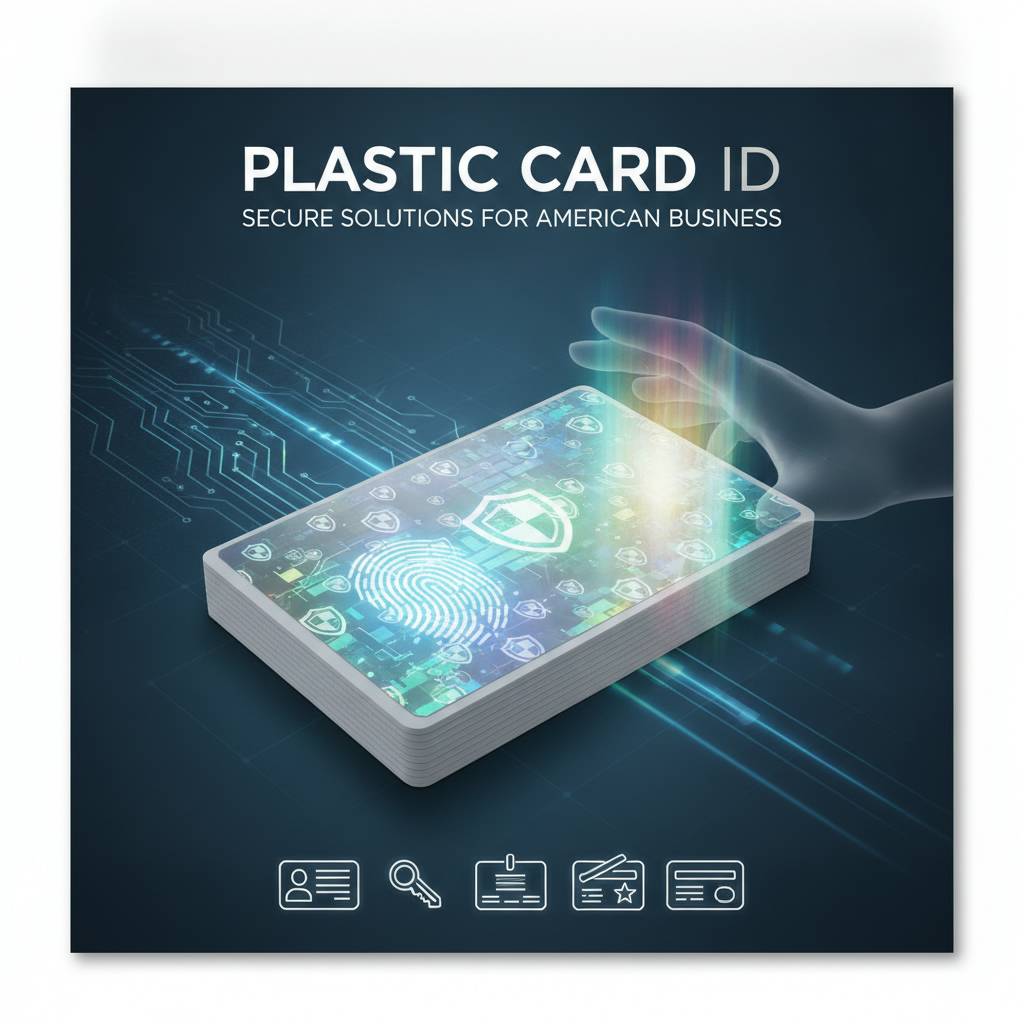 Not every card program requires holographic overlaminate protection at the same level, but more programs benefit than most buyers initially assume. The calculation involves two variables: the cost consequences of card fraud or failure, and the use intensity the cards will experience. High scores on either dimension make holographic overlaminates worthwhile. High scores on both make them essential.
CPE has helped businesses across the United States think through exactly this decision for over 25 years. The categories below represent the applications where the return on investing in holographic overlaminate protection is clearest and most immediate.
Employee ID and Access Control Credentials
Employee ID cards carry significant security weight. They grant physical access to buildings, equipment, and sensitive areas. A fraudulent or altered ID card is not merely an embarrassment - it is a security breach. Holographic overlaminates on employee badges serve the dual function of physical durability and visual authentication, giving security personnel an immediate, intuitive way to spot legitimate credentials.
For access control cards that carry RFID or proximity technology, the overlaminate also protects the antenna and chip layers embedded within the card body. Physical damage to these components disables the card's electronic function entirely, creating replacement costs and access disruptions. The overlaminate's scratch and impact resistance meaningfully extends the functional life of these more complex and more expensive card types.
Loyalty, Gift, and Membership Cards
Retailers and businesses that have made the switch from paper punch cards to plastic loyalty cards already know that plastic drives better program results - sales increases of 35-50% are well-documented in gift card programs after the transition from paper. But a plastic card that looks worn and faded after three months delivers a very different brand message than one that looks sharp and professional throughout its lifespan.
Holographic overlaminates on loyalty and membership cards serve a brand function as much as a security function. A card that catches light attractively in a customer's wallet is a subtle but continuous brand impression. It differentiates the card from competitors' cards, makes it less likely to be discarded, and signals that the issuing business takes quality seriously - all of which translate into stronger program engagement and customer retention.
Casino Player Cards and Hotel Key Cards
Casino environments are among the most demanding card use cases that exist. Player cards are handled hundreds of times daily, exposed to humidity, drinks, and constant physical contact. The holographic overlaminate on a casino player card protects the personalization data and the embedded magnetic stripe or smart chip data from the kind of surface wear that would otherwise require frequent card replacement at significant program cost.
Hotel key cards face similar intensity of use but add a specific challenge: they must function reliably in magnetic stripe readers multiple times per day across a stay. Any surface degradation that interferes with reader performance causes guest complaints and front desk disruptions that are expensive to manage. Holographic overlaminate protection maintains stripe readability by keeping the card surface flat, clean, and undistorted throughout the card's intended use window.
Printer and Overlaminate Compatibility: What Buyers Need to Know
 Holographic overlaminates are applied during card printer operation using the lamination module available on professional card printers from manufacturers including Evolis, Zebra, and Fargo. Not every card printer includes lamination capability as standard - it is typically a feature of mid-range and professional-tier models, and it is one of the specifications worth careful attention when selecting equipment for a card program that requires this level of protection.
Matching the right overlaminate film to the right printer model and print technology is not optional - it is critical. Using the wrong film formulation can damage printer components, produce defective cards, or fail to bond correctly. Working with a supplier who understands both the printer side and the consumables side of this equation prevents costly errors that amateur buyers frequently encounter.
Lamination Modules on Professional Card Printers
Professional card printers equipped with lamination modules use a heated roller system to apply overlaminate film under controlled temperature and pressure. The precise settings required - temperature in Celsius or Fahrenheit, dwell time, and roller pressure - vary by film type and by the card substrate being laminated. Printers from Evolis, Zebra, and Fargo each have their own lamination specifications, and overlaminate films are engineered to match these ranges.
When the lamination module is functioning correctly with compatible film, the result is a card where the overlaminate is indistinguishable from the card body to the touch - perfectly flat, uniformly bonded, with no bubbles, wrinkles, or edge lifting. This level of finish is a mark of a professional card program that instills confidence in cardholders from the moment they receive their card.
Ribbon and Film Selection for Holographic Output
The overlaminate film used for holographic protection is a separate consumable from the printer ribbon used for card printing. Programs new to card printing sometimes conflate these two items. The printer ribbon lays down the color image and any encoding data. The overlaminate film, fed through the lamination module afterward, applies the protective and security layer over the finished print.
Holographic overlaminate films are available in different pattern options - standard rainbow holographic, globe patterns, custom brand-specific designs, and security void formulations. Each has a specific roll format designed to fit the lamination module of the corresponding printer family. Ordering the correct roll width and core size for your specific printer model is a detail that CPE can help clarify before purchase, avoiding the frustration of receiving incompatible materials.
Frequently Asked Questions About Overlaminate Compatibility
- Can I add lamination to my existing printer? Some printer models support a lamination module as an add-on. Others require a full model upgrade to access this capability. Confirm your printer's upgrade path before purchasing overlaminate film.
- Do overlaminates work with retransfer printers? Retransfer printers apply print to a film that is then bonded to the card, which already provides some protection. Holographic overlaminate can still be applied as an additional security and durability layer on top.
- What is the difference between holographic and standard clear overlaminate? Standard clear overlaminate provides physical protection only. Holographic overlaminate adds visual security features that deter forgery and tampering, making it the preferred choice for any credential with a security requirement.
- How thick does the overlaminate make my card? Properly specified overlaminates are designed to keep your finished card within ISO 7810 tolerances (30 mil total). Confirm this with your supplier before ordering to ensure card reader compatibility.
- Can holographic overlaminates be applied to both sides? Yes, and for high-security credentials, dual-side lamination is strongly recommended. Single-side lamination leaves the reverse surface vulnerable to the same abrasion and tampering risks.
If your specific printer model or program requirement is not covered above, the team at CPE is reachable at 800.835.7919 and ready to walk through compatibility details with you directly.
Building a Complete Card Program Around Holographic Protection
Holographic overlaminates do not stand alone - they are one component in a well-designed card program that begins with card selection and extends through encoding, printing, lamination, and distribution. Getting each layer of that program right means fewer reprints, fewer fraud incidents, and a better experience for every cardholder your organization serves.
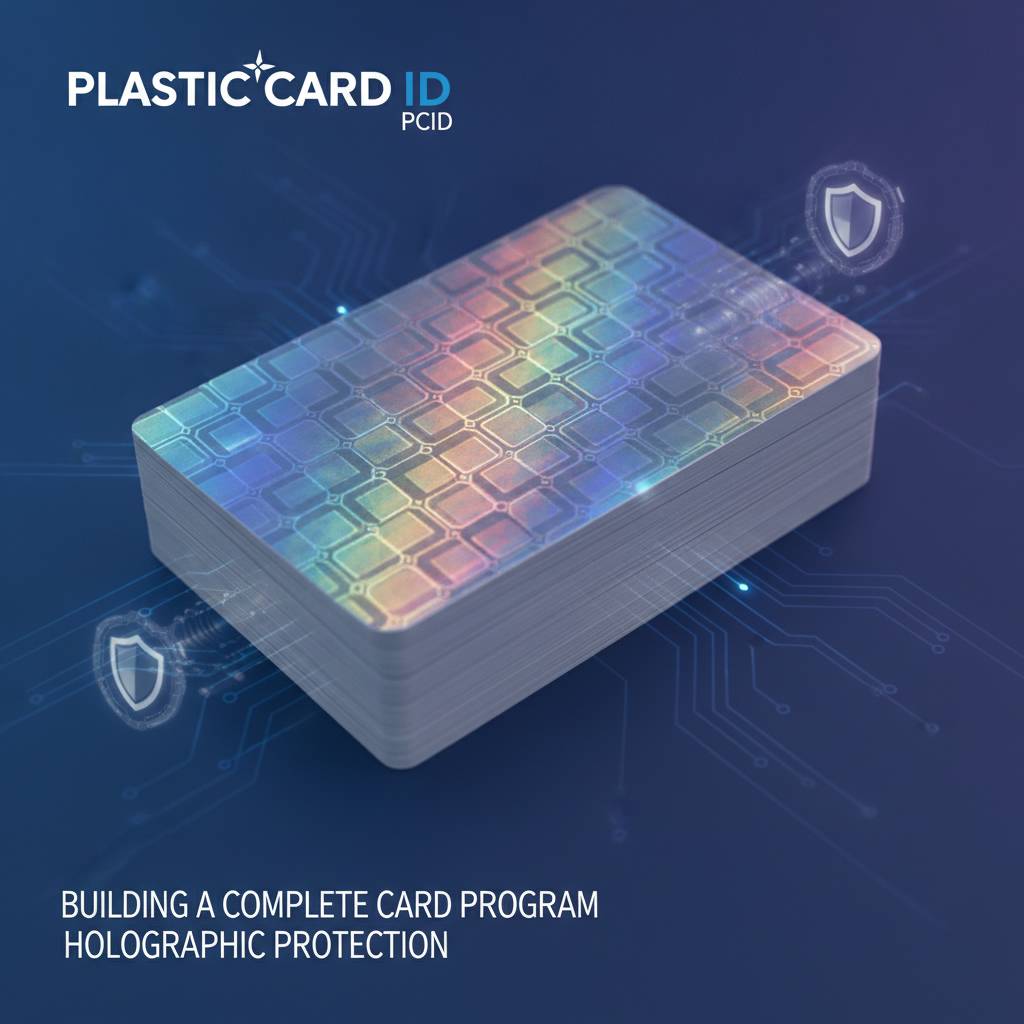
The blank CR80 cards used as the foundation of most in-house card programs are the right starting point for cost-effective programs with high volumes. Choosing the right card stock - standard PVC, composite PVC, or specialty substrates - affects how the overlaminate bonds and how long the finished card performs. Starting the specification process with lamination compatibility in mind prevents mismatches downstream.
Pairing Card Stock with the Right Overlaminate
Standard PVC cards at 30 mil are the most compatible substrate for holographic overlaminate application, and they represent the bulk of what most businesses need. Composite cards, which blend PVC with polyester layers, offer higher durability but may require adjusted lamination temperatures. For programs using smart chip cards or RFID proximity cards, the card body construction already includes embedded electronics that must be protected but cannot be exposed to excessive heat during lamination.
This is precisely the kind of specification detail where experience counts. A supplier who has handled more than 50 million cards across every major application type can match card substrate, print technology, and overlaminate specification in a way that eliminates guesswork and produces reliable, repeatable results across your entire production run, whether that run is 500 cards or 50,000.
Value-Added Services That Complete Your Card Program
Beyond the cards themselves and the films that protect them, a complete card program requires ribbons, cleaning kits to maintain printer performance, card carriers for safe delivery to cardholders, sleeves for daily use protection, and sometimes card affixing and mailing services for programs that distribute cards by postal mail. Every one of these elements affects the overall impression the card makes and the reliability of the program it supports.
Card affixing and mailing services are particularly valuable for programs that reach cardholders across wide geographic areas - regional membership networks, national retail loyalty programs, or multi-location employee badge issuance. Having a single partner manage production, lamination, and distribution dramatically simplifies the logistics while maintaining the consistent quality that reflects well on your brand.
Scaling Your Program as Needs Evolve
One of the less-discussed advantages of working with a partner rather than simply a vendor is the ability to scale card programs fluidly. A membership organization that starts with 200 cards per month and grows to 5,000 cards per month has very different equipment, consumable, and workflow needs at each stage. Anticipating those inflection points and choosing compatible equipment from the start prevents the costly mistake of buying equipment that cannot grow with the program.
Holographic overlaminate capability is one of the features worth building in early, even if the initial volume does not seem to justify it. As programs grow, the value of fraud deterrence and card longevity increases with the number of cards in circulation and the financial exposure each card represents. Establishing the capability early means it is ready when it matters most.
Take the Next Step with Plastic Card ID
 Holographic overlaminates represent one of the most effective and cost-efficient ways to extend card life, deter fraud, and elevate the professional impression your card program makes on every person who receives one. The technology is proven, the application is well-understood, and the results are measurable in lower replacement costs, fewer security incidents, and stronger cardholder confidence.
Plastic Card ID brings over 25 years of card program expertise, more than 50 million cards supplied, and a product catalog that spans everything from blank CR80 PVC stock to advanced holographic overlaminate films and the professional-grade printers that apply them. Whether your program is in its first year or well-established and ready to upgrade, the team here has the knowledge to help you make the right choices from the start.
Call 800.835.7919 today and speak directly with a card program specialist who can match the right overlaminate film, printer configuration, and card stock to your exact application. Plastic Card ID is your strategic partner for every card your organization will ever need.
Previous Page