Things to Know Before Buying Blank Plastic Cards
Table of Contents []
- What Smart Buyers Know Before Ordering Blank Plastic Cards from Plastic Card ID
- Understanding the CR80 Standard - The Foundation of Every Card Program
- Magnetic Stripe Cards - HiCo vs. LoCo and Why It Actually Matters
- RFID and Smart Cards - What You Need to Know Before You Commit
- Card Printers, Ribbons, and the True Cost of Running a Card Program
- Loyalty Cards, Gift Cards, and Membership Programs - The Business Case in Plain Numbers
- Buyer's Guide - Essential Questions to Answer Before Placing Your First Order
- Partner with Plastic Card ID - 25 Years of Card Expertise Behind Every Order
What Smart Buyers Know Before Ordering Blank Plastic Cards from Plastic Card ID
 Most people assume buying blank plastic cards is simple - pick a size, pick a quantity, done. But there's a surprising amount of nuance packed into what looks like a straightforward purchase. The card stock you choose, the encoding options you overlook, the printer compatibility you assume - any of these can make or break a card program before it even gets started.
That's exactly why CPE exists: not to push product, but to help businesses make decisions they won't regret six months down the line. With over 25 years serving more than 100,000 customers across the United States and over 50 million cards shipped, the patterns are clear. The buyers who succeed are the ones who ask the right questions first.
| Card Type | Best Use Cases | Key Feature |
|---|---|---|
| Blank PVC CR80 | ID cards, loyalty, membership | Standard wallet size, 30 mil thickness |
| Magnetic Stripe (HiCo) | Access control, hotel keys, gift cards | High coercivity, durable encoding |
| Magnetic Stripe (LoCo) | Short-term or low-security use | Lower cost, easily overwritten |
| RFID / Proximity Cards | Access control, time tracking | Contactless, no swipe required |
| Smart Chip Cards | Secure environments, campus systems | Embedded IC chip, MIFARE capable |
| Clear / Frosted Cards | Premium branding, VIP programs | Distinctive appearance, high-impact look |
Understanding the CR80 Standard - The Foundation of Every Card Program
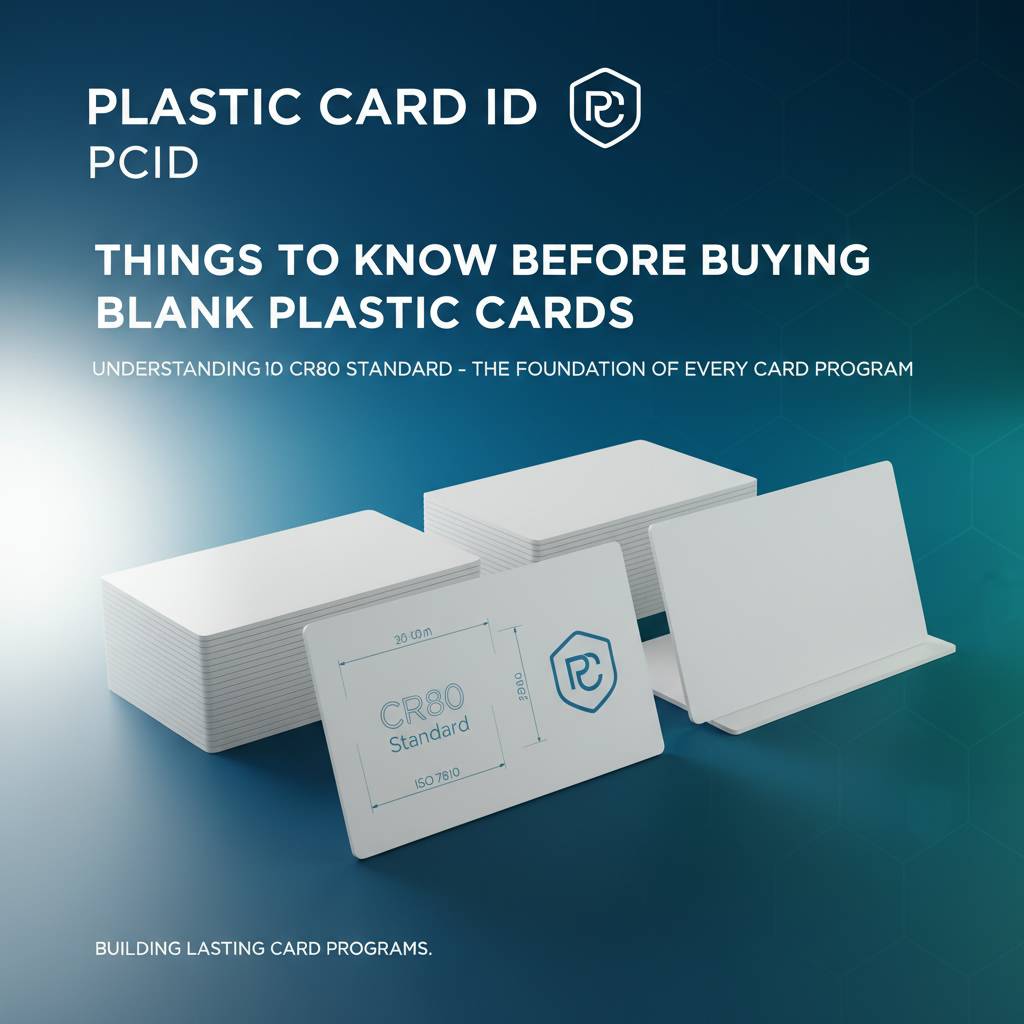 The CR80 specification isn't just a number. It's a globally recognized standard - ISO 7810 - that defines exactly what a "standard" wallet-sized card measures: 3.375 inches by 2.125 inches, at a thickness of 30 mil. Every major card printer, badge holder, and card sleeve in the industry is built around this dimension. Buying outside this spec without knowing it creates expensive compatibility problems.
Blank CR80 cards are the raw material of virtually every in-house card program in America. From employee badges to event credentials, access tokens to loyalty cards, the CR80 format is what gives organizations design freedom without sacrificing compatibility. The card is blank - that's the point. What gets printed, encoded, or laminated onto it determines its purpose.
Why 30 Mil Thickness Matters More Than People Think
Thickness affects more than durability. At 30 mil, a card feeds correctly through card printers without jamming, accepts dye-sublimation ink evenly, and holds magnetic stripes or chip contacts without warping. Thinner stock can cause print heads to misalign; thicker stock can jam rollers or prevent proper encoding.
Cheap cards from unknown sources often vary in thickness by several mils - enough to cause inconsistent print quality and premature printer wear. When you're running hundreds or thousands of cards through a Zebra or Fargo printer, dimensional consistency isn't a luxury. It's a requirement.
PVC vs. Composite Cards - Knowing the Difference Before You Buy
Standard blank plastic cards are made from PVC, which works perfectly for most desktop printing applications. Composite cards - typically a PVC/polyester blend - are engineered specifically for retransfer printers that apply heat during the printing process. Using straight PVC in a retransfer printer can cause warping or melting.
If you're using or planning to use a retransfer printer (common in high-security ID environments), your card supplier needs to know. CPE helps customers match the right card stock to their specific printer model - a detail that prevents a lot of costly mistakes.
Colored Stock and Specialty Finishes - More Than Aesthetics
Blank cards aren't limited to white. Colored card stock in red, blue, green, yellow, and other options lets organizations visually differentiate card types at a glance - useful for multi-department ID programs, event credential tiers, or loyalty card levels. Color-coding is a practical operational tool, not just a design choice.
Clear and frosted cards occupy a different category entirely. They're often reserved for premium applications - VIP membership programs, upscale retail gift cards, or brand environments where a distinctive card creates a tangible impression. The visual effect of a clear card printed with crisp graphics is genuinely striking in a way a standard white card isn't.
Magnetic Stripe Cards - HiCo vs. LoCo and Why It Actually Matters
Walk into any discussion about magnetic stripe cards without knowing the HiCo/LoCo distinction, and you're likely to make an expensive mistake. These two encoding standards aren't interchangeable, and the readers and writers associated with each are typically specific to one or the other. Matching the stripe to the intended system isn't optional - it's fundamental.
High-coercivity (HiCo) stripes require stronger magnetic fields to encode and to erase, which makes them far more durable in real-world use. Hotel keys, access cards, and loyalty programs where cards pass through readers hundreds of times benefit enormously from HiCo encoding. Low-coercivity (LoCo) stripes are less expensive but more susceptible to demagnetization from everyday sources like phone magnets and security systems.
When LoCo Cards Make Sense
LoCo cards aren't inferior - they're situationally appropriate. Short-duration event credentials, one-time-use access passes, or programs where cards are replaced frequently don't need the robustness of HiCo. In these cases, LoCo stock saves money without sacrificing functionality. The key is matching the card type to the operational reality, not defaulting to one or the other without thinking.
A trade show or conference that replaces credentials every two days, for example, has no practical need for HiCo durability. The cost savings on LoCo stock at volume can be meaningful. Knowing when durability matters - and when it doesn't - is part of running a smart card program.
Stripe Positioning and Track Configuration
Magnetic stripes come in different track configurations - typically Track 1, Track 2, Track 3, or combinations thereof. Each track holds different data types and capacities. Most retail and access control systems use Track 2; airline boarding systems commonly use Track 1. Ordering the wrong track configuration means your cards won't communicate with your readers.
Call CPE before ordering if you're uncertain about track requirements. Reach the team at 800.835.7919 - getting this right before purchase is much easier than dealing with a batch of incompatible cards after the fact.
Encoding In-House vs. Pre-Encoded Cards
Some organizations encode cards themselves using a desktop card printer with an integrated magnetic stripe encoder. Others purchase pre-encoded cards or rely on their card management software to encode at the point of issuance. Both approaches are valid; each has tradeoffs in cost, flexibility, and infrastructure investment.
In-house encoding gives you maximum control over data and timing - useful for programs where card data changes frequently or where personalization is tied to individual enrollment. Pre-encoded or blank stripe cards leave encoding in your hands, which requires the right printer and software but eliminates dependence on an outside vendor for every card run.
RFID and Smart Cards - What You Need to Know Before You Commit
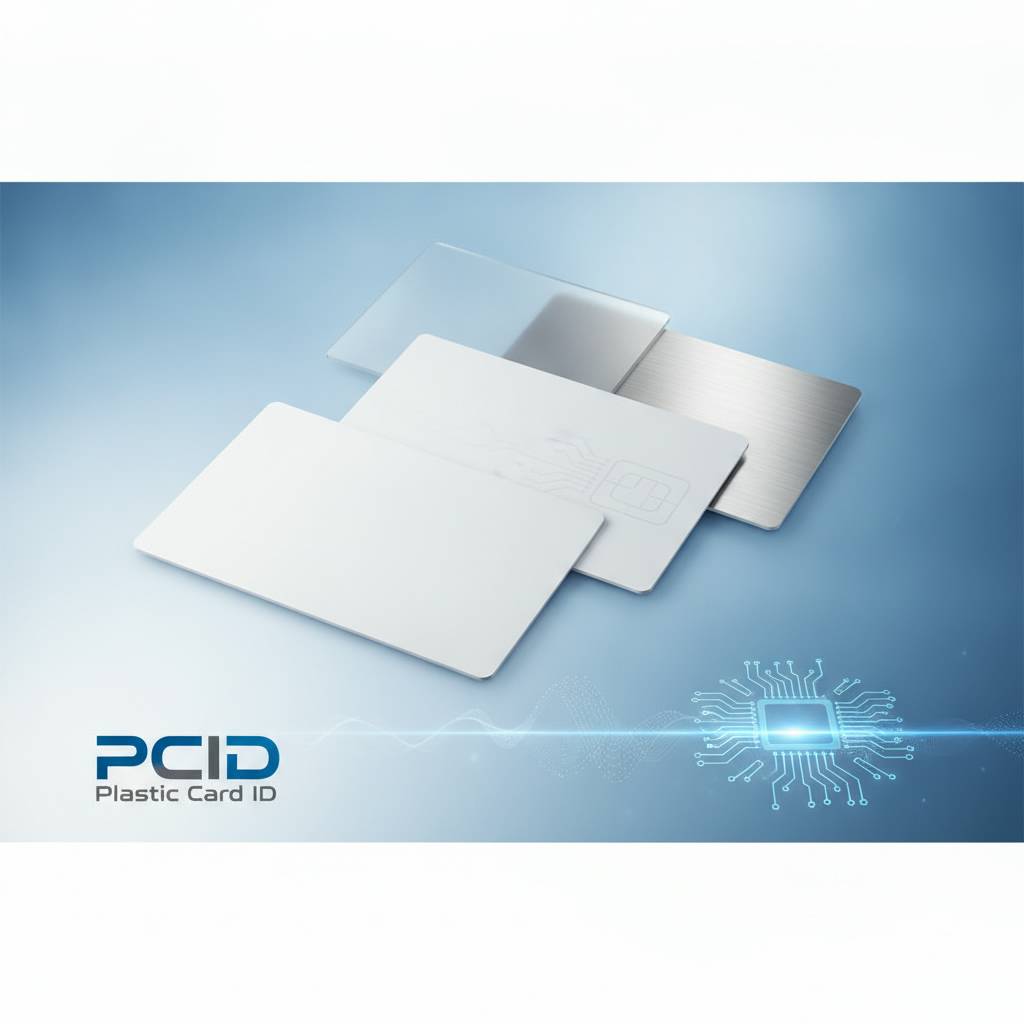 Contactless card technology has moved well beyond novelty. RFID and proximity cards are now the standard in modern access control environments, and smart chip cards with embedded ICs handle secure campus, casino, and institutional applications that magnetic stripes simply cannot. But buying into contactless technology requires understanding the frequency, protocol, and reader compatibility of your existing infrastructure.
The most common proximity card frequency in the United States is 125 kHz, used in standard HID-style access control systems. Higher-frequency 13.56 MHz cards - including MIFARE DESFire and other ISO 14443 compliant formats - support more sophisticated data operations, encryption, and multi-application use cases. These aren't interchangeable. A 125 kHz reader will not communicate with a 13.56 MHz card, period.
Proximity Cards for Access Control
Proximity cards are the workhorse of commercial building access. They're passive - no battery, no contact required - and they work reliably at short read distances, typically a few inches to a foot depending on the reader. For most standard door access applications in offices, warehouses, or facilities, proximity cards are the right tool and represent an excellent value.
The blank versions of these cards look identical to a standard PVC card but contain an embedded antenna and chip inside the card body. They can be printed on with compatible card printers, giving organizations a professional-looking access card that carries both visual identification and electronic credentials simultaneously.
MIFARE DESFire and Secure Smart Card Applications
MIFARE DESFire is the gold standard for high-security, multi-application smart card environments. Used in casino player card systems, university campus programs, secure government facilities, and transit applications, DESFire cards support AES encryption and segmented memory architecture - meaning a single card can simultaneously manage access, stored value, and loyalty data.
This is not a beginner-level card purchase. Organizations considering MIFARE DESFire need to work with a supplier who understands the technology, not one that simply lists it in a catalog. CPE brings the expertise to help buyers navigate frequency selection, key management, and reader compatibility before a single card is ordered.
Hotel Key Cards and Hospitality Applications
Hotel key cards occupy an interesting middle ground - they need to be robust enough for guests who stuff them in pockets with phones and coins, simple enough to program quickly at check-in, and inexpensive enough to absorb as a cost of hospitality. Most modern hotel key systems use either magnetic stripe or RFID technology, depending on the lock manufacturer.
Blank hotel key cards from CPE are available in formats compatible with all major hospitality lock systems. Whether a property uses Assa Abloy, Dormakaba, or another major system, the right card specification matters. Buying the wrong card type means cards that won't open doors - a problem no hotel guest or front desk team wants to encounter.
Card Printers, Ribbons, and the True Cost of Running a Card Program
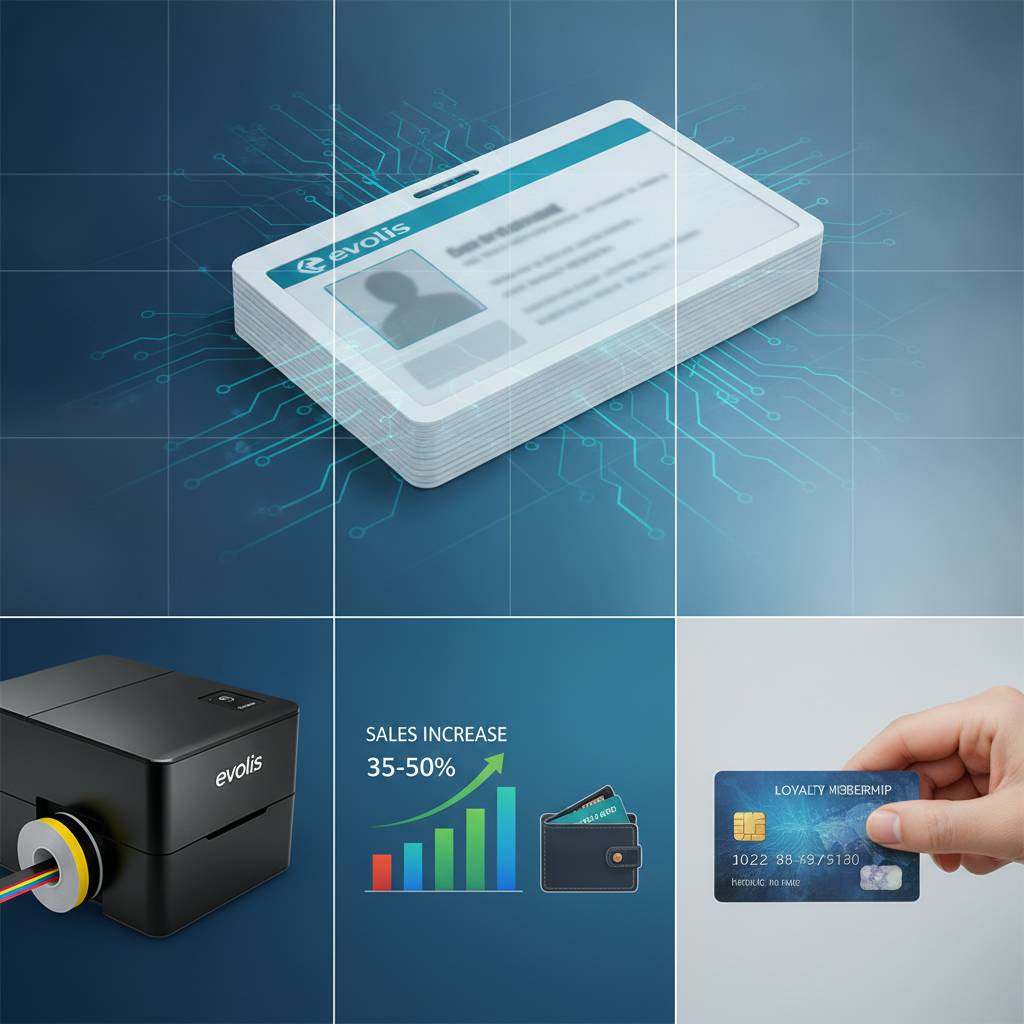 Here's something most card buyers don't realize until they've already made the mistake: the card printer is often the least expensive part of running an in-house card program over time. Ribbons, cleaning kits, and replacement parts accumulate into significant costs that should factor into every purchasing decision from day one.
CPE carries a full lineup of card printers from Evolis, Zebra, and Fargo - three brands that define the professional card printing market. Each has strengths suited to different use cases: Evolis printers are known for compact design and ease of use; Zebra printers offer rugged reliability at volume; Fargo printers excel in high-security ID environments. Choosing the right one means thinking about volume, card complexity, and future needs.
Calculating True Cost Per Card
A ribbon yields a specific number of prints - typically 200 to 500 per ribbon depending on the type (YMCKO for full-color, K for monochrome). Divide the ribbon cost by the yield, add the card cost, and factor in occasional cleaning kits and maintenance. This is your real cost per card, and it should inform every decision about print volume and printer selection.
Organizations printing fewer than 50 cards per month may find that outsourcing card printing makes more financial sense than purchasing and maintaining a dedicated printer. Those printing 200 or more per month almost universally benefit from in-house capability. The crossover point depends on card complexity, personalization requirements, and how quickly cards need to be issued.
Cleaning Kits and Printer Longevity
Card printer cleaning is one of the most overlooked maintenance steps in any card program. Dust, card debris, and ribbon residue accumulate on print heads and rollers, causing streaks, faded prints, and eventually permanent damage. A $15 cleaning kit can prevent a $300-$500 print head replacement. That's not a minor point - it's basic program management.
Most printer manufacturers recommend a cleaning cycle every 1,000 cards or whenever ribbon rolls are changed. CPE stocks cleaning kits compatible with all major printer brands. Building cleaning supplies into every card supply order is simply good operational practice.
Printer Ribbons - Why Compatibility Matters
Not all printer ribbons work in all printers. Ribbons are engineered to specific printer models and using off-brand or incompatible ribbons can damage print heads, produce inconsistent color output, and void printer warranties. This is one area where buying from a reputable full-service supplier like CPE pays dividends - you get the right ribbon for your specific printer every time. Contact the team at 800.835.7919 to confirm ribbon compatibility before your next order.
YMCKO ribbons (yellow, magenta, cyan, black overlay) are the standard for full-color card printing. Monochrome black ribbons are used for single-color prints like basic ID badges or membership cards where color isn't required. Specialty ribbons for holographic overlaminates and security printing are also available for applications that require additional tamper resistance.
Loyalty Cards, Gift Cards, and Membership Programs - The Business Case in Plain Numbers
The argument for plastic over paper isn't theoretical. Retailers who switch from paper gift certificates to plastic gift cards see sales increases of 35-50%. That's not a projection or an industry hope - it's a documented pattern observed across retail environments of all sizes. Plastic cards get kept. Paper gets lost, damaged, or forgotten in a drawer.
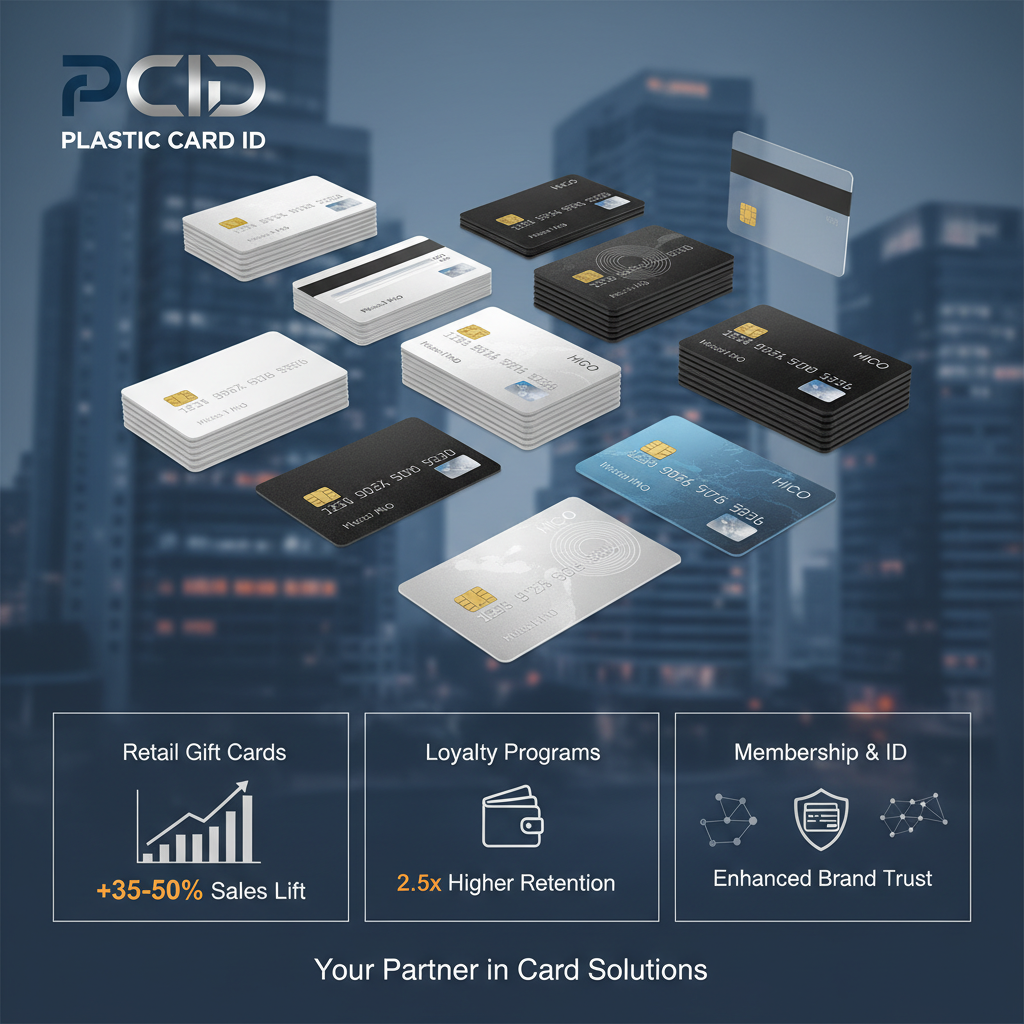
Loyalty cards that live in wallets outperform paper punch cards in virtually every measurable metric: redemption rates, repeat visit frequency, average transaction value. The physical presence of a card in a customer's wallet is a continuous low-cost marketing touchpoint. Every time someone opens their wallet, your brand is there.
What Makes a Loyalty Card Program Actually Work
A successful loyalty card program starts with card quality. Thin, flimsy cards signal a low-investment program and often end up discarded. A properly made 30 mil PVC card feels substantial and professional - it signals to the customer that the program is worth participating in. The physical card is the first impression of the program.
- Use magnetic stripes if your POS system tracks points electronically
- Consider barcode-only cards for simpler scan-based programs
- Choose card stock color to match your brand palette for instant recognition
- Order in quantities that reflect your expected enrollment rate over 6-12 months
- Plan for card replacement - customers lose cards, and your replacement process should be smooth
Membership Cards and the Legitimacy Signal
Membership cards serve a psychological function as much as a practical one. A plastic membership card signals permanence, investment, and legitimacy in a way that a printed paper certificate or a digital confirmation email simply cannot replicate. Organizations that issue plastic membership cards consistently report stronger member retention and higher perceived program value.
This applies to gyms, professional associations, clubs, alumni networks, libraries, churches, and any other organization where membership carries meaning. The card is the tangible proof of belonging. When it looks and feels premium, the membership feels premium.
Gift Card Programs for Retailers and Service Businesses
Gift cards are arguably the single highest-ROI card program available to retail and service businesses. They drive new customer acquisition (gift recipients who weren't previous customers), protect revenue (unredeemed balances stay with the business), and increase average purchase values (gift card holders typically spend more than the card's face value).
Starting a gift card program doesn't require complexity. Blank PVC cards with a barcode or magnetic stripe, printed with your brand design, integrated with a point-of-sale system that supports gift card functionality - that's the core. CPE has helped businesses of every size launch gift card programs that produce measurable results from the first quarter of operation.
Buyer's Guide - Essential Questions to Answer Before Placing Your First Order
 Experienced buyers approach card purchasing the same way smart procurement professionals approach any supply decision: with a clear picture of requirements before reviewing options. The questions below aren't bureaucratic formalities. They're the difference between a card program that runs smoothly and one that produces expensive surprises.
Whether you're setting up an employee ID system for 50 staff members or launching a loyalty program that will eventually touch tens of thousands of customers, the preparation process is essentially the same - scale just changes the stakes. Getting the details right at the start saves time, money, and frustration at every step that follows.
Six Questions Every Card Buyer Should Answer First
- What is the card's primary function? Access control, loyalty, identification, gift, event credential, or hotel key - each may require different card specifications.
- Will you encode the cards? If yes, with what technology - magnetic stripe, barcode, RFID, smart chip? Your printer and reader infrastructure must match.
- What is your monthly card volume? Volume affects whether in-house printing or pre-printed card sourcing is more cost-effective.
- What printer do you currently own or plan to purchase? Card stock must be compatible with your printer's feed mechanism and print technology.
- Do you need card accessories? Holders, sleeves, lanyards, card carriers, or mailing services may be part of your program requirements.
- What is your reorder cycle? Understanding lead times and planning reorder points prevents program interruptions.
Buying in Bulk vs. Buying to Need
Blank card pricing drops meaningfully at volume. A case of 500 cards costs significantly more per card than a case of 5,000. For programs with predictable steady-state volume, bulk buying almost always makes financial sense. For programs still in pilot phase or with genuinely uncertain demand, buying closer to current need preserves cash and avoids obsolete inventory.
The right answer depends on storage capacity, cash flow, and confidence in the program's trajectory. CPE works with buyers at every scale - from 50 cards a month to tens of thousands - and can help model the cost-per-card math at different order volumes to support smarter purchasing decisions. Reach the team directly at 800.835.7919.
Specialty Cards - When Standard Stock Isn't the Right Answer
Luxury metal cards in stainless steel, brass, and gold serve a very specific purpose: they communicate exclusivity and high value in programs where the card itself is part of the brand experience. Executive membership programs, premium credit-adjacent loyalty tiers, VIP event access, and corporate gifting are environments where a metal card carries real brand weight.
Custom die-cut shapes - cards shaped like a product, a logo silhouette, or a distinctive form - serve marketing and promotional applications where the card needs to be memorable. Clear and frosted cards achieve a similar differentiation effect within standard CR80 dimensions. When the card itself needs to make a statement, specialty options exist to make that possible.
Partner with Plastic Card ID - 25 Years of Card Expertise Behind Every Order
 There's a real difference between a supplier who ships boxes and a partner who helps you build a card program that actually performs. CPE has spent over 25 years becoming the latter for more than 100,000 businesses across the United States. The catalog is comprehensive, the expertise is genuine, and the commitment to helping customers succeed is built into how every conversation gets approached.
From the first blank CR80 card to a full-scale loyalty program with custom stock, encoded magnetic stripes, card printers, ribbons, and mailing services - everything needed to run a serious card program is available from a single source. That's not a convenience pitch. That's a practical advantage that simplifies procurement, reduces vendor management complexity, and keeps programs running without gaps.
Call Plastic Card ID today at 800.835.7919 and talk to a card specialist who will help you get every detail right from the start - because the best card programs are built on the right foundation, not fixed after the fact.
Previous Page