What Are Blank Plastic Cards? A Complete Overview
Table of Contents []
- What Are Blank Plastic Cards? A Complete Guide by Plastic Card ID
- The CR80 Standard: Why Size and Thickness Matter
- Types of Blank Plastic Cards: Building Your Card Program Around the Right Technology
- Why Blank Cards Beat Pre-Printed Cards for Most Organizations
- Card Printers, Ribbons, and Accessories: Completing the System
- Industries and Applications: Who Uses Blank Plastic Cards?
- Frequently Asked Questions About Blank Plastic Cards
- Partner With Plastic Card ID for Your Blank Card Program
What Are Blank Plastic Cards? A Complete Guide by Plastic Card ID
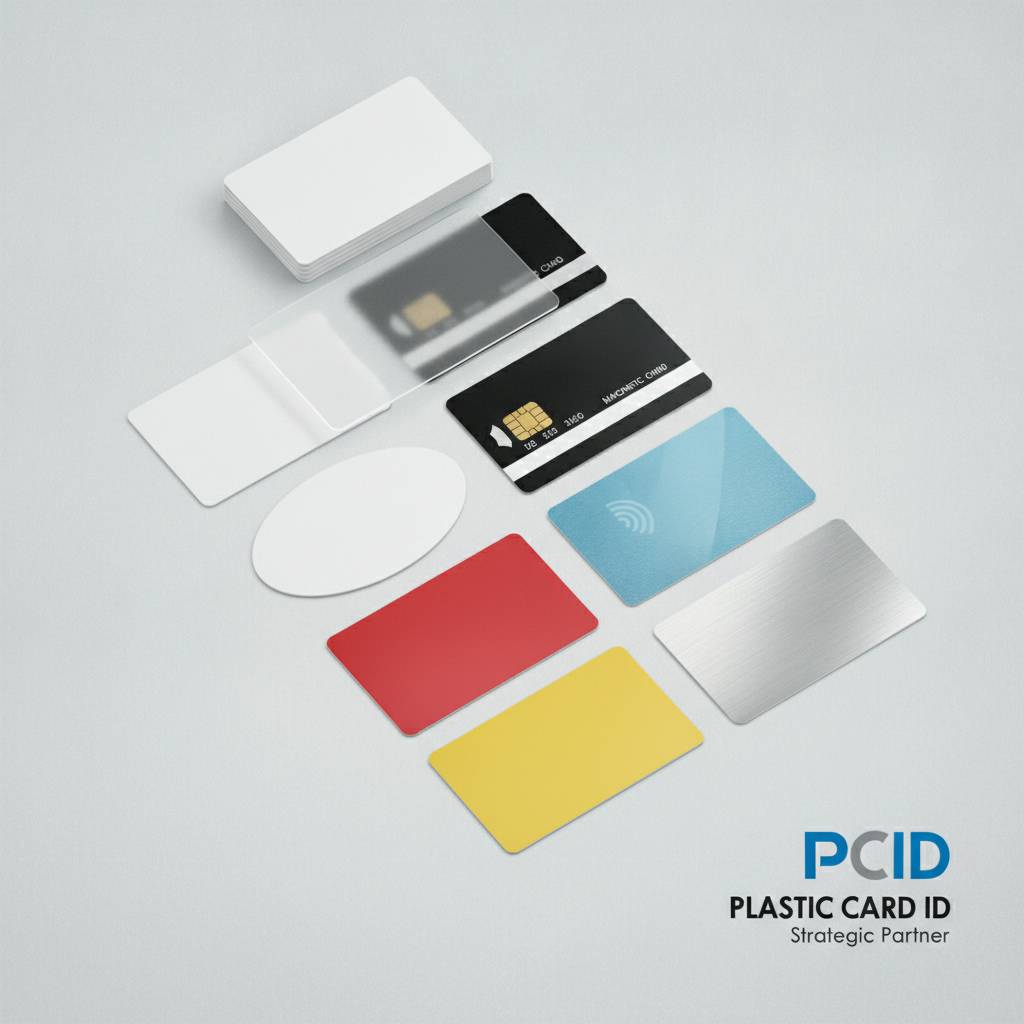 Pick one up. It feels substantial - rigid, smooth, professional. A blank plastic card is exactly what it sounds like: a PVC card with no printing, no encoding, no design. Just raw potential, ready to become whatever your program demands. Whether you need employee badges, membership credentials, loyalty tokens, or event passes, the blank card is your canvas.
Most people encounter plastic cards every day without giving them a second thought. But behind every well-executed card program is a deliberate choice: starting with the right blank stock. CPE has helped over 100,000 businesses across the United States make that choice well - and the difference it makes is measurable, visible, and lasting.
| Card Type | Standard Size | Common Uses | Key Feature |
|---|---|---|---|
| Blank White PVC | CR80 / 30 mil | ID cards, badges, loyalty | Universal compatibility |
| Magnetic Stripe (HiCo) | CR80 / 30 mil | Access control, hotel keys | High-coercivity encoding |
| Magnetic Stripe (LoCo) | CR80 / 30 mil | Gift cards, short-term use | Cost-effective encoding |
| RFID / Proximity | CR80 / 30 mil | Contactless access, NFC | Tap-to-access technology |
| Clear / Frosted PVC | CR80 / 30 mil | VIP cards, specialty use | Premium visual appeal |
The CR80 Standard: Why Size and Thickness Matter
 Here is something most buyers do not realize until they order the wrong thing: not all plastic cards are the same size. The CR80 format - 3.375 inches by 2.125 inches at 30 mil thickness - is the globally recognized ISO 7810 ID-1 standard. It fits perfectly in wallets, badge holders, card printers, and card readers. When people say "plastic card," they almost always mean CR80.
Thickness matters just as much as dimension. A 30 mil card is the workhorse of the industry for good reason. It is rigid enough to feel premium in hand, durable enough to survive daily handling over years, and thin enough to work with virtually every card printer on the market. Thinner cards exist - 10 mil, 20 mil - but for most ID, loyalty, and access programs, 30 mil is the gold standard.
What "Blank" Really Means in Card Terminology
Blank does not necessarily mean plain. A blank card can be white, clear, frosted, colored, or even pre-laminated. What makes it "blank" is the absence of custom printing or personalization. You are buying the substrate - the foundation - upon which your printer or encoder will do the work.
Organizations choose blank cards because they want control. Print 10 cards today, 500 next week, and 2,000 next month - all on-demand, all in-house. No waiting for a print run. No minimum order forcing you to warehouse cards you do not need. Blank cards give your program flexibility that pre-printed cards simply cannot match.
CR80 vs. Other Card Formats: Know Your Options
While CR80 dominates, other sizes serve niche purposes. CR79 cards are slightly smaller and used specifically for proximity access applications. CR100 and CR90 formats appear in specialized security and identification systems. For the vast majority of businesses - retailers, gyms, hotels, schools, offices - CR80 is the right call without question.
The 30 mil thickness also has a practical reason beyond feel: it matches the specifications of virtually every card printer made by Evolis, Zebra, and Fargo. Feed a thicker or thinner card through the wrong printer and you risk jams, misalignment, and damaged print heads. Matching card thickness to your printer model is not optional - it is essential.
Colored and Specialty Blank Card Stock
Blank does not have to mean white. CPE stocks colored PVC cards in a range of options - red, blue, green, yellow, and more - allowing organizations to implement color-coded systems without printing. A red card for facilities, blue for administrative staff, green for visitors: instant visual identification at a glance.
Clear and frosted blank cards occupy their own category. Clear PVC allows printed graphics to appear to float on a transparent surface - a striking effect for VIP programs, premium gift card programs, or any application where visual differentiation is the goal. These specialty blanks require specific printer settings and compatible ribbons, but the visual payoff is substantial.
Types of Blank Plastic Cards: Building Your Card Program Around the Right Technology
Choosing a blank card is not a single decision - it is a cascade of decisions. What technology does your system require? What data needs to live on the card? How will the card be read or verified? The answers determine which blank you need, and getting this right at the start prevents expensive reprinting and program delays down the line.
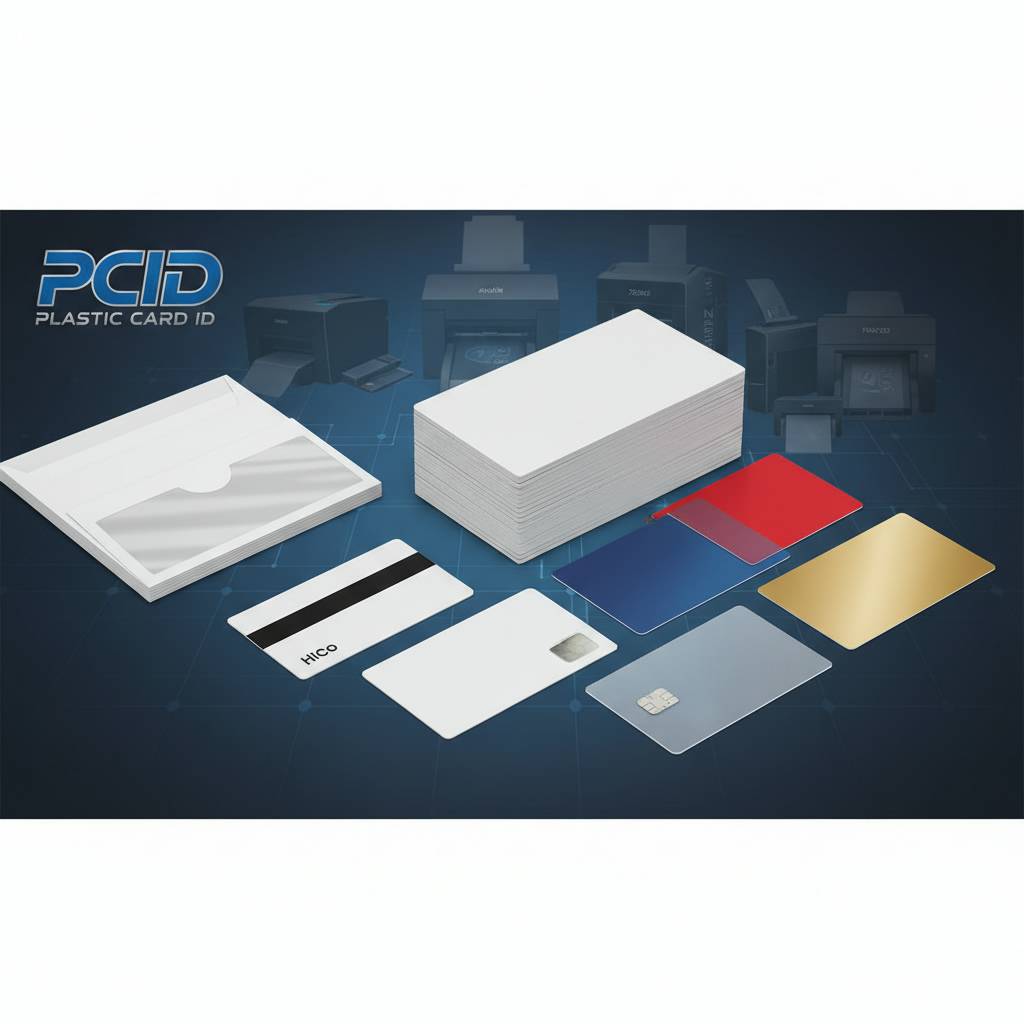
The technology embedded in a card defines its function, not its appearance. Two cards that look identical from the front may carry entirely different capabilities depending on what is built into the substrate. This is why understanding your options before ordering is so critical - and why working with a knowledgeable partner matters enormously.
Magnetic Stripe Cards: HiCo and LoCo Explained
Magnetic stripe cards store encoded data on a stripe of magnetic material bonded to the card's surface. Two coercivity levels exist: High Coercivity (HiCo) and Low Coercivity (LoCo). HiCo cards use a stronger magnetic field, making them resistant to accidental erasure from everyday magnets. LoCo cards use a weaker field and are better suited for short-term or lower-security applications.
HiCo is the right choice for hotel keycards, access control systems, employee ID programs, and any card that will be used repeatedly over time. LoCo works well for gift cards, short-duration event passes, or loyalty cards in environments where the card will see limited use. Choosing the wrong coercivity level can cause real operational headaches - readers calibrated for HiCo may not reliably read LoCo cards, and vice versa.
RFID and Proximity Cards: Contactless Access Technology
RFID (Radio Frequency Identification) cards communicate wirelessly with compatible readers without any physical contact or swiping. Proximity cards - often called "prox cards" - operate at 125 kHz and are the workhorses of building access control systems. Smart RFID cards, including those using MIFARE DESFire technology, operate at 13.56 MHz and support encrypted data storage suitable for high-security environments.
Hotels, office buildings, universities, and healthcare facilities all rely on contactless card technology because it is fast, convenient, and genuinely more secure than traditional keys. A blank RFID card arrives from CPE ready to be encoded with your facility's unique credentials - then printed with your branding using an RFID-compatible card printer. The result is a professional, functional access card built entirely in-house.
Smart Chip Cards and Advanced Credentials
Smart chip cards embed an integrated circuit directly into the card body. These chips can store significantly more data than magnetic stripes, process information locally, and interact with readers through either contact (gold chip pads) or contactless interfaces. Applications range from logical access control to casino player tracking systems.
Casino player cards deserve special mention. The gaming industry demands cards that can withstand heavy daily use, resist tampering, and interface reliably with sophisticated tracking systems. Blank casino-grade smart cards provide the durability and encoding capacity those environments require. Similarly, hotel key card programs benefit from blank RFID smart card stock that can be encoded quickly at the front desk for each guest stay.
Why Blank Cards Beat Pre-Printed Cards for Most Organizations
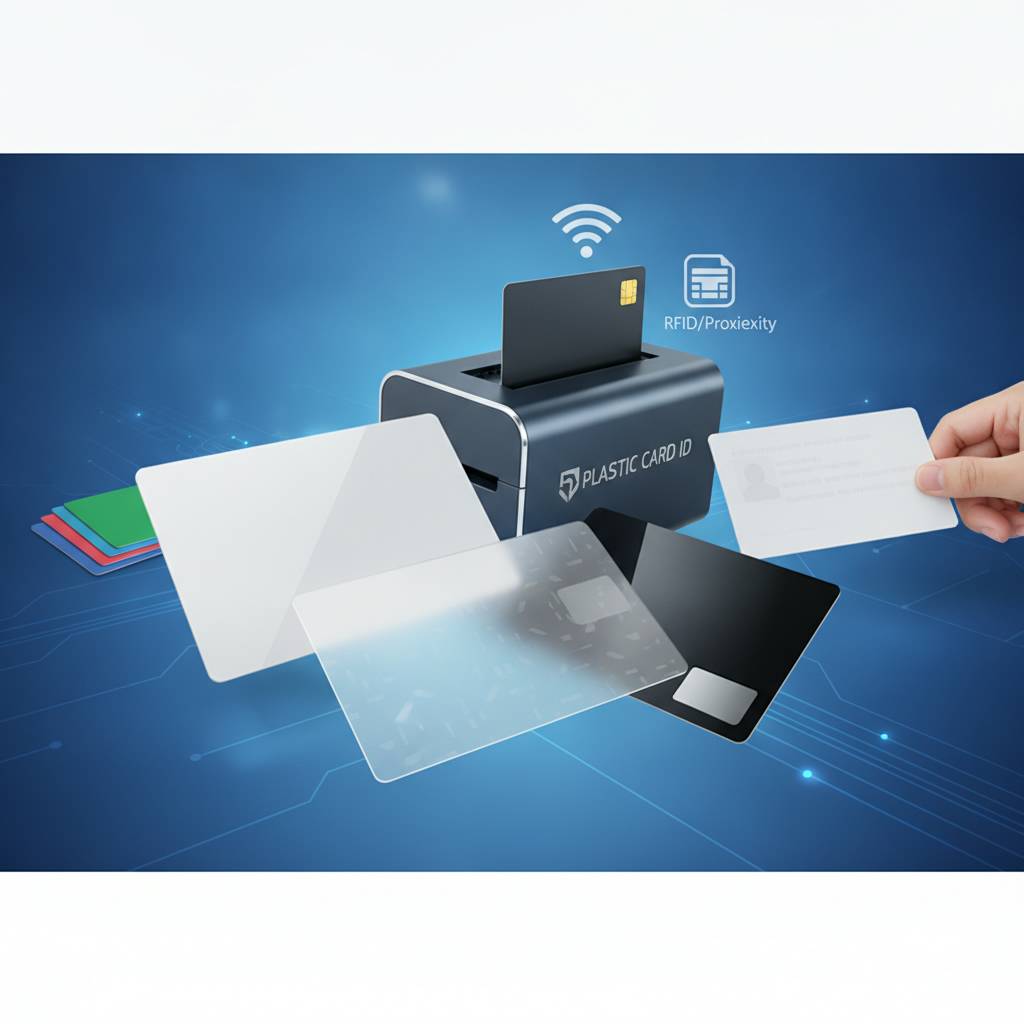 Pre-printed cards look polished in a catalog. But for organizations managing ongoing card programs - whether that means issuing new employee badges every week or enrolling new loyalty members every day - pre-printed cards create friction. Minimum order quantities, lead times, storage requirements, and design lock-in all stack up against your operational agility.
Blank cards flip this equation entirely. Buy in volume for a lower per-card cost, then print exactly what you need, when you need it. In-house card printing gives organizations a level of responsiveness that outside print vendors simply cannot match. A new hire walks in Monday morning; their badge is ready before lunch. A customer enrolls in your loyalty program at the register; their personalized card is in their hand before they leave.
Cost Economics of Blank Card Programs
The math tends to surprise people. Blank CR80 PVC cards in quantity carry a per-card cost that is remarkably low - often a fraction of what outsourced printing charges per card once setup fees, shipping, and minimum quantities are factored in. Add the cost of a card printer and ribbons, and the break-even point for most programs arrives within the first few months of operation.
After break-even, every card you print in-house represents direct savings. Programs issuing 50 to 500 cards per month typically see full return on investment within six to twelve months. Programs at higher volumes - thousands of cards monthly - often recoup costs in weeks. The long-term economics of blank card programs are simply difficult to argue against.
Design Flexibility and Branding Control
- Update your card design instantly without reordering pre-printed stock
- Print variable data - names, photos, ID numbers, barcodes - on every individual card
- Test multiple design variations without committing to large print runs
- Adjust card templates seasonally or for special promotions in minutes
- Maintain brand consistency across all card types with a single design system
This level of flexibility is genuinely transformative for growing organizations. A fitness club adding a premium membership tier can introduce a new card design that same week. A retailer launching a holiday gift card program can have branded cards printing within days of ordering blank stock and a ribbon supply. The speed advantage alone justifies the in-house approach for most active programs.
Scalability From Pilot to Full Production
Perhaps the most underappreciated benefit of blank card programs is how gracefully they scale. Start with a desktop card printer and a few hundred blank cards to prove your concept. As your program grows, add a higher-volume printer. As volume climbs further, upgrade to a production-grade printer capable of thousands of cards per day. Your blank card stock remains the same throughout - only the printing equipment changes.
CPE works with programs at every scale, from small nonprofits printing 50 membership cards a month to regional chains issuing tens of thousands of loyalty cards across multiple locations. The blank card is the constant thread connecting programs of every size, and the ability to order more stock quickly - with fast shipping across the USA - means growth never has to wait on inventory.
Card Printers, Ribbons, and Accessories: Completing the System
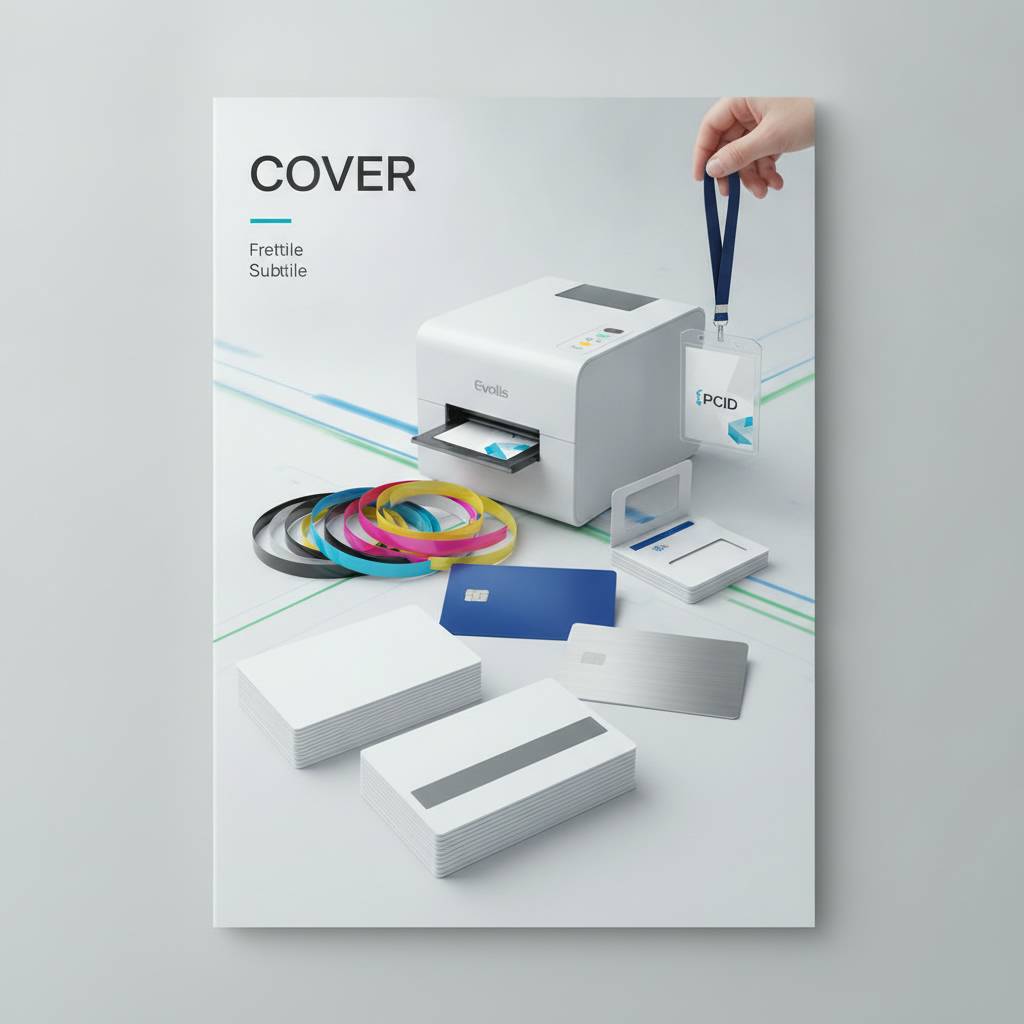
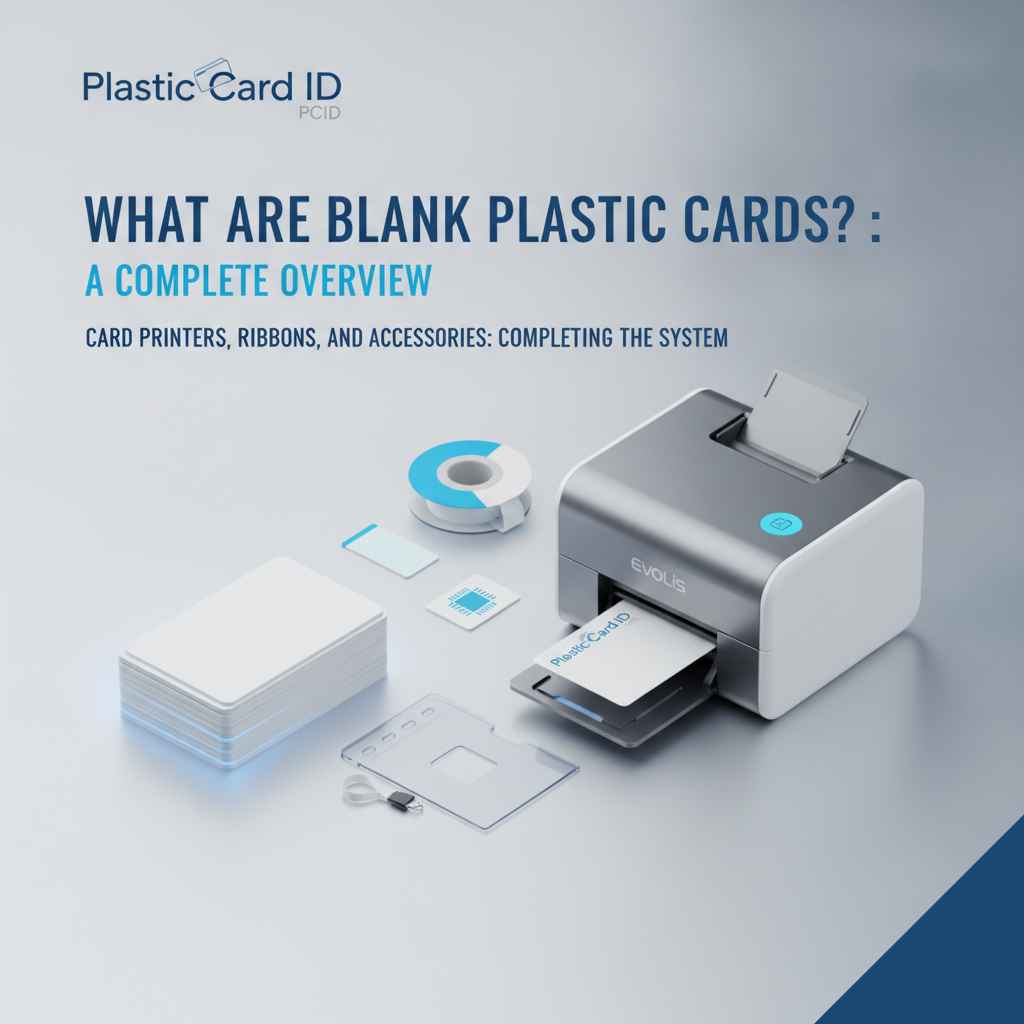 A blank card without a printer is just a piece of plastic. The complete picture includes a compatible card printer, the right ribbon for your card type and print quality requirements, and supporting accessories that keep your program running cleanly. Plastic Card ID supplies all of it - making the one-stop-shop promise genuinely meaningful rather than just marketing language.
Card printers from Evolis, Zebra, and Fargo cover the full spectrum from entry-level desktop models to high-volume production units. Each manufacturer brings particular strengths: Evolis printers are known for reliability and ease of use, Zebra for durability in demanding environments, and Fargo for print quality and advanced encoding capabilities. Matching the right printer to your volume and feature requirements is a decision worth getting right from the start.
Choosing the Right Printer Ribbon
Printer ribbons are consumables, but they are not commodities. A YMCKO ribbon - yellow, magenta, cyan, black, overlay - is the standard choice for full-color photo-quality card printing. Monochrome ribbons in black, blue, or other colors offer faster print speeds and lower cost-per-card for applications that do not require full color. Specialty ribbons enable holographic overlaminates, UV fluorescent printing, and other security features.
Using the wrong ribbon in a printer does not just produce poor results - it can void warranties and damage print heads. CPE stocks ribbons matched precisely to specific printer models, removing the guesswork entirely. When you order cards and ribbons together, you can be confident everything will work as expected from the first card through the last.
Cleaning Kits and Maintenance Supplies
Card printers have one persistent enemy: dust and residue from card stock that accumulates on rollers and print heads over time. Cleaning kits - including pre-saturated cleaning cards and swabs - remove this buildup before it affects print quality or causes mechanical issues. Regular cleaning dramatically extends printer lifespan and maintains consistent output quality throughout the printer's life.
Most manufacturers recommend running a cleaning card every 500 to 1,000 cards printed, with more thorough cleaning at regular intervals. Building this maintenance habit into your program from day one prevents the gradual quality degradation that catches many organizations off guard after months of heavy use. Cleaning kits are inexpensive insurance for equipment that represents a meaningful investment.
Card Carriers, Sleeves, and Mailing Services
Once your cards are printed, getting them to cardholders professionally matters. Card carriers - folded paper or card stock inserts - allow mailed cards to carry welcome messaging, instructions, or promotional content alongside the card itself. Card sleeves protect finished cards during handling and mailing. Both accessories reinforce the professional impression your card program is designed to create.
For organizations without the capacity to handle card mailing internally, CPE offers card affixing and mailing services. Printed cards can be affixed to carriers and mailed directly to cardholders - a turnkey solution that eliminates an entire operational step. For loyalty card launches, membership renewals, or employee onboarding programs, this service alone can save significant time and labor cost.
Industries and Applications: Who Uses Blank Plastic Cards?
The short answer is: almost everyone. The longer answer reveals how deeply plastic cards are woven into the operational fabric of American business and organizational life. From the gym you visit three mornings a week to the office building where you badge in every day, blank plastic cards - printed and encoded - are doing critical work invisibly and reliably.
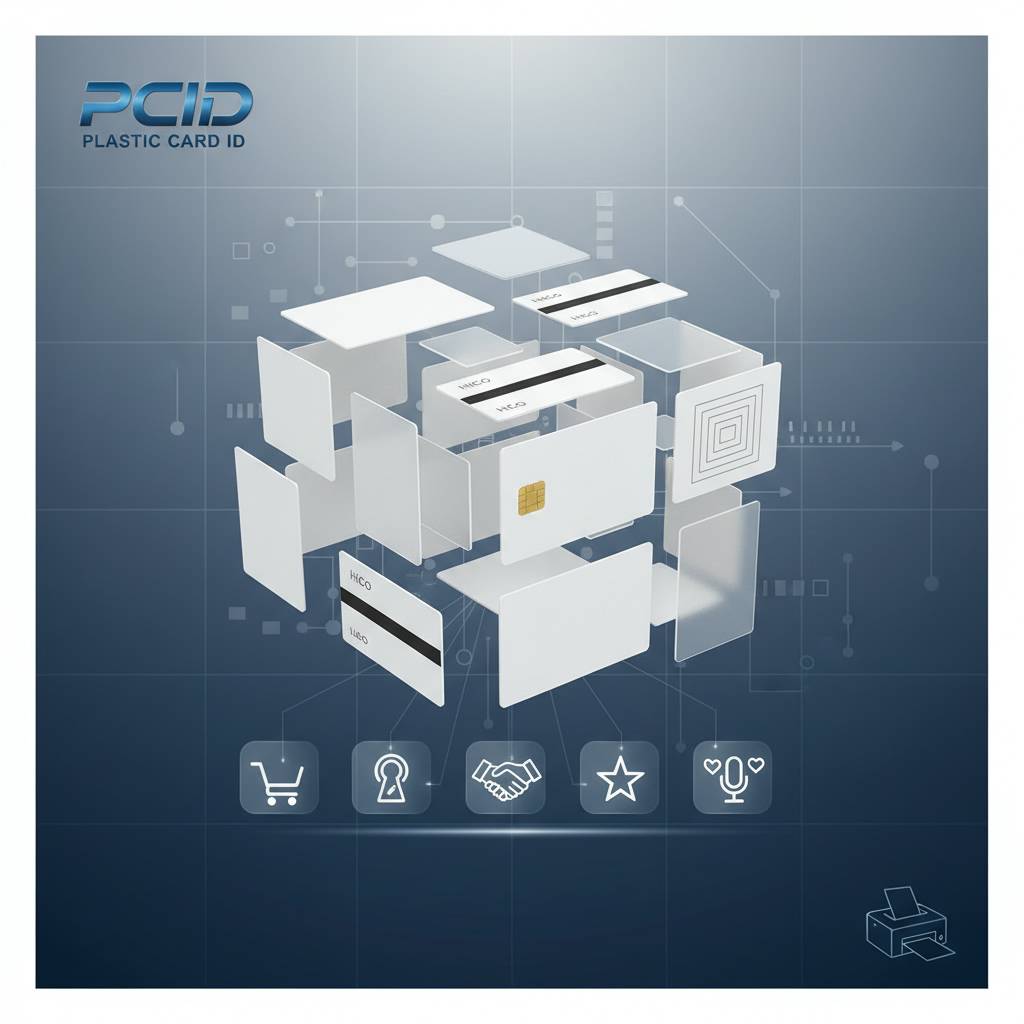
What unites every application is the need for a credential that is durable, portable, and instantly recognized. Paper alternatives fail on all three counts over time. Plastic endures where paper deteriorates, and the difference in perceived legitimacy between a plastic card and a paper punch card is not subtle - it is the difference between a program that feels permanent and one that feels provisional.
Retail, Gift Cards, and Loyalty Programs
Retailers who switch from paper gift certificates to plastic gift cards consistently see significant sales increases - industry data points to gains of 35-50% in gift card revenue following the switch. The reasons are both psychological and practical: plastic cards are kept, traded as gifts, and redeemed more reliably than paper alternatives. They also carry perceived value that paper simply does not convey.
Loyalty programs built on plastic cards outperform punch-card equivalents in retention and engagement. A plastic loyalty card living in a wallet is a constant brand reminder. It gets swiped, scanned, or tapped with every qualifying purchase, building data and deepening the customer relationship with every transaction. The physical card is doing marketing work every single day without additional spend.
Employee ID, Access Control, and Security Credentials
Organizations of every size need to know who is supposed to be where. Employee ID cards printed on blank PVC stock - combined with magnetic stripe encoding or RFID technology - create access control systems that are flexible, scalable, and immediately recognizable. A new employee gets a card on day one. A departing employee's card is deactivated within minutes. The system adapts as fast as the organization does.
Healthcare facilities, schools, government offices, and corporate campuses all run variations of this model. The blank card is the foundation; the printer, encoder, and access control software build the rest. What CPE provides is the highest-quality blank substrate and the full complement of printing supplies needed to keep the program running without interruption. To learn more, call 800.835.7919 and speak with a card program specialist.
Membership, Events, and Specialty Programs
Museums, clubs, professional associations, gyms, and houses of worship all run membership programs that benefit from plastic card credentials. A membership card signals something paper cannot: that membership is real, valued, and permanent. It goes in a wallet alongside credit cards and driver's licenses - exactly where you want your organization represented.
Event credentials benefit from the same logic. Plastic event passes, VIP cards, and exhibitor badges convey a level of professionalism that paper badges and lanyards cannot approach. For recurring events, blank card stock purchased in advance ensures consistent credential quality from year to year without the variability of outsourced printing runs.
Frequently Asked Questions About Blank Plastic Cards
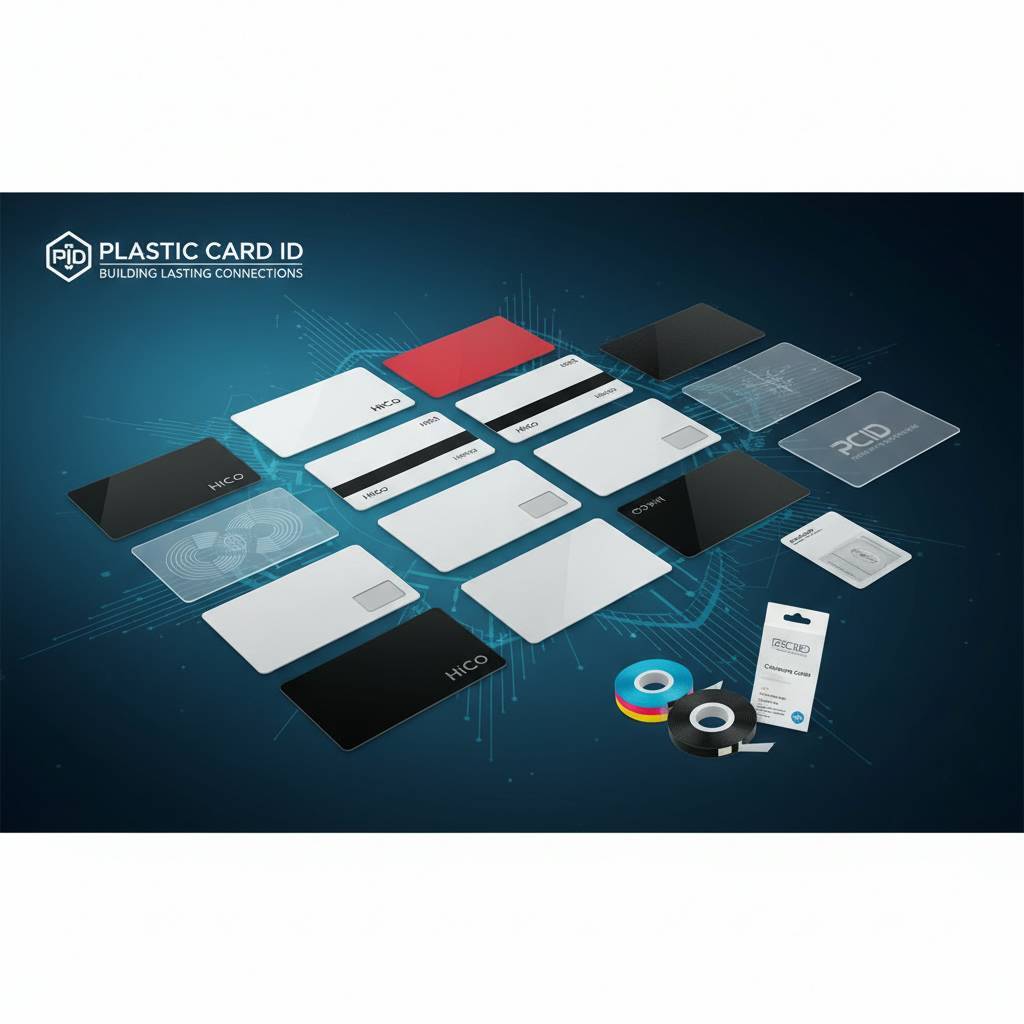 After 25 years and more than 50 million cards sold, certain questions come up again and again. The answers below represent the practical knowledge that separates a successful card program from one that gets off to a stumbling start.
How Many Cards Should I Order to Start?
This depends on your current monthly volume and storage capacity, but the general principle is: order enough to benefit from volume pricing, but not so many that storage becomes a burden. For most small to mid-size programs, 500 to 2,000 blank cards as an initial order provides a comfortable runway. Higher-volume programs should consider larger quantities for the per-card savings that accumulate meaningfully over time.
Blank PVC cards store well in their original packaging in a cool, dry environment. They do not expire or degrade under normal storage conditions, making larger orders practical for organizations with stable card designs. If your card program involves variable data only - no fixed design printed on the blank - you can order in bulk without any concern about design changes making stock obsolete.
What Is the Difference Between HiCo and LoCo Magnetic Stripe Cards?
- HiCo (High Coercivity): 2,750 Oersteds - resistant to accidental demagnetization, ideal for frequent-use cards like employee badges and hotel keys
- LoCo (Low Coercivity): 300 Oersteds - easier to encode and re-encode, suited for shorter-term or lower-security applications
- HiCo cards can be read by both HiCo and LoCo readers in most systems
- LoCo cards may not read reliably on readers configured for HiCo - always confirm reader specifications before ordering
- When in doubt, HiCo is the safer default choice for most card programs
The visual difference between HiCo and LoCo cards is often a small one: HiCo magnetic stripes typically appear dark brown or black, while LoCo stripes often appear lighter or reddish-brown. This is a helpful quick reference when sorting mixed inventory, though always verify with your system documentation to be certain.
Can I Use Any Card Printer With Any Blank Card?
Mostly, yes - with important caveats. Standard blank white PVC CR80 cards at 30 mil thickness work with virtually every desktop and professional card printer on the market. Specialty cards - RFID cards, smart chip cards, clear PVC - require printers with specific capabilities. An RFID card must be encoded by a printer with an integrated RFID encoder; a standard printer will print on the surface but cannot write data to the chip.
Before purchasing blank cards, confirm your printer model and its capabilities. The team at CPE can help match card type to printer model - a five-minute conversation that prevents expensive mistakes. Getting the pairing right means every card that comes out of your printer works exactly as intended, every time.
Partner With Plastic Card ID for Your Blank Card Program
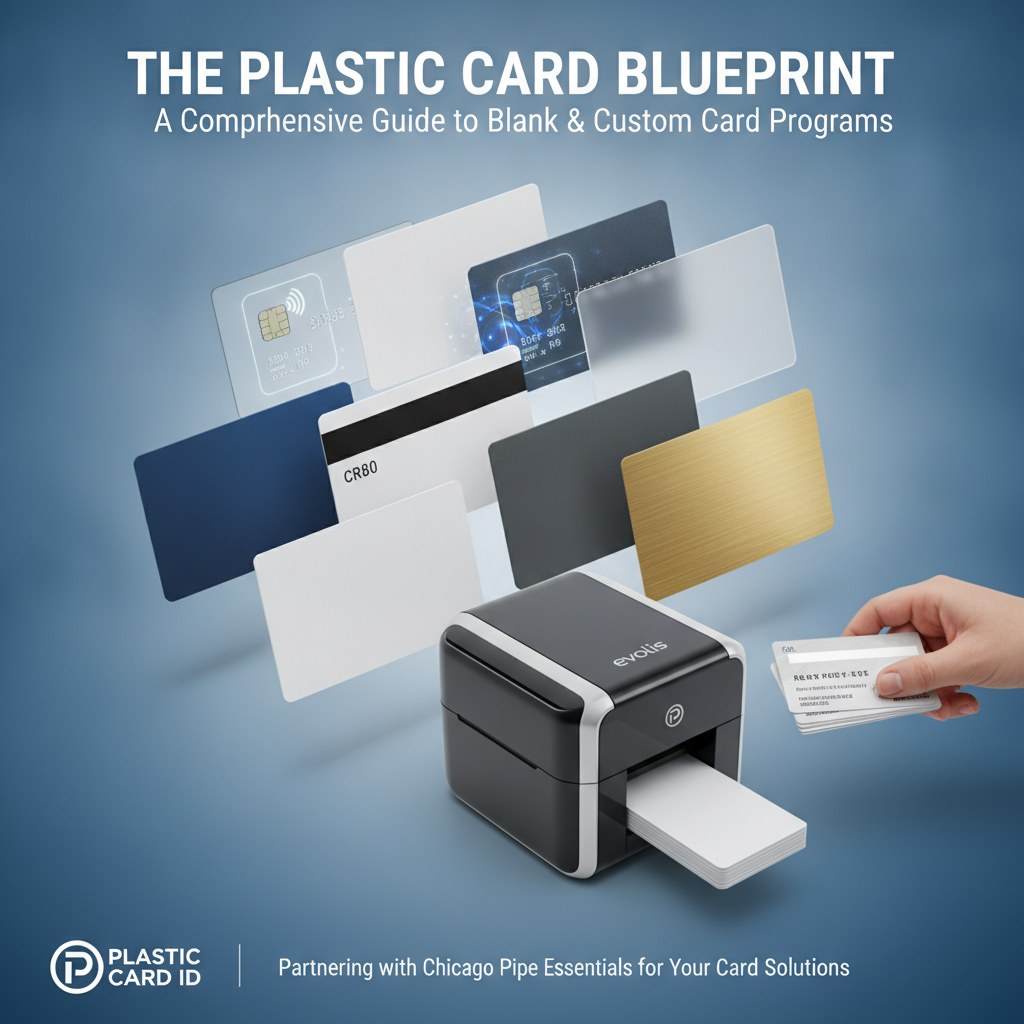 Twenty-five years. Over 100,000 customers. More than 50 million cards. Those numbers represent something real: a track record of helping American businesses build card programs that work - for ID, access control, loyalty, membership, events, hospitality, and beyond. CPE is not just a vendor; it is the partner that keeps your card program running reliably, at the scale you need, with the quality your cardholders will notice.
The right blank card is the foundation of everything your card program accomplishes. From the first badge your new employee wears to the thousandth loyalty card your best customer swipes, the quality of the substrate matters. CR80 PVC cards, magnetic stripe options in HiCo and LoCo, RFID and proximity cards, smart chip cards, clear and frosted stock, colored PVC, casino cards, hotel key cards, luxury metal cards - Plastic Card ID carries the full range and the expertise to help you choose correctly.
Value-Added Services That Complete Your Program
Beyond the cards themselves, Plastic Card ID supplies everything a card program needs to operate efficiently: Evolis, Zebra, and Fargo card printers matched to your volume and features requirements; printer ribbons in every configuration; cleaning kits and maintenance supplies; card carriers and sleeves; and card affixing and mailing services for organizations that want to outsource fulfillment. One source, one relationship, one place to call when you need answers fast.
Shipping reaches businesses across the entire United States, with the speed and reliability that active card programs depend on. Whether your program runs 50 cards a month or 50,000, the experience and infrastructure behind Plastic Card ID scales to meet you exactly where you are.
Start Your Card Program Today
Plastic Card ID is ready to help you build a card program that works - call 800.835.7919 today and speak with a specialist who understands your needs.
From your first order of blank PVC cards to a fully integrated printing and encoding operation, Plastic Card ID has the products, expertise, and commitment to make your card program a lasting success. Call 800.835.7919 now - your program starts here.